
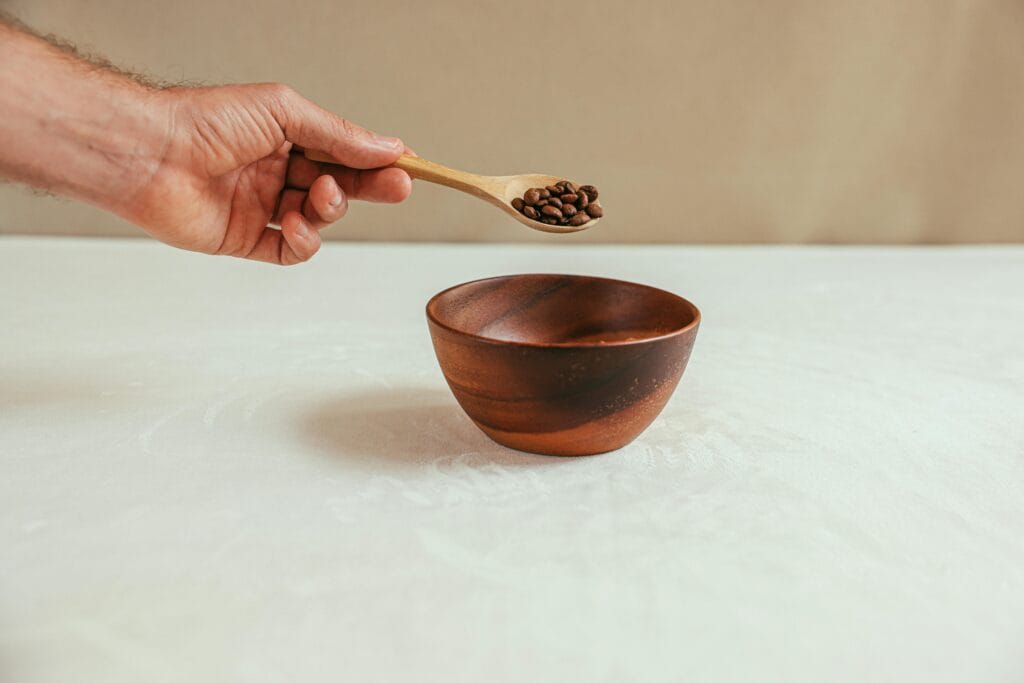
Artisanal roasts sit at the heart of the UK’s evolving coffee culture.
Yet today, coffee lovers also want their daily brew to support people and planet, not just provide caffeine and flavour (British Coffee Association, 2023).
Why Artisanal Roasts Matter
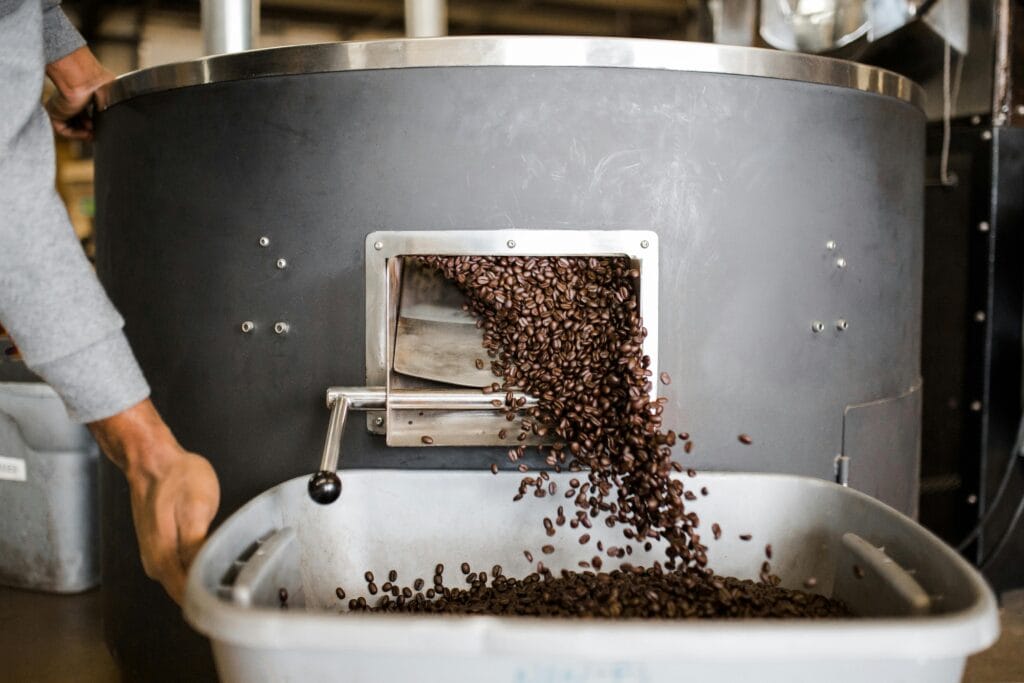
Artisanal roasts emphasise careful sourcing, small‑batch roasting, and distinctive flavour profiles.
Independent roasters work closely with farmers and cooperatives to highlight origin, altitude, and processing style in every cup (Global Coffee Platform, 2025).
Because of this, “artisanal roasts” often offer more transparency than mass‑produced blends.
UK customers increasingly search for local coffee, “coffee shop near me,” and “best coffee beans” to discover these quality‑focused brands (Lavazza Professional, 2024).
Moreover, artisanal roasts match rising demand for premium coffee experiences.
Many consumers now see coffee as a crafted beverage, not a simple commodity (Mintel, 2024).
The UK Coffee Landscape
The UK drinks around 98 million cups of coffee every day.
This equals about 35.8 billion cups a year and 528 cups per person (Balance Coffee, 2024).
Furthermore, 80% of people who visit coffee shops do so at least once a week.
Searches like “coffee shop near me,” “coffee near me,” and “coffee house near me” show just how embedded cafés have become in daily life (Lavazza Professional, 2024).
Despite cost‑of‑living pressures, the coffee shop market continues to grow.
Turnover reached about £6.1 billion in 2024/25, with thousands of cafés and dessert parlours operating nationwide (Lumina Intelligence, 2025).
However, many consumers are shifting some spending from chains to independents that showcase unique beans, lighter roasts, and sustainable practices (Mintel, 2024).
Consequently, artisanal roasts now appear in local markets, subscriptions, and every “coffee store near me” search.
From Bean To Cup: What Makes A Roast Artisanal
Artisanal roasters pay attention to the full coffee journey.
They often choose single‑origin beans or carefully designed blends that highlight specific terroirs.
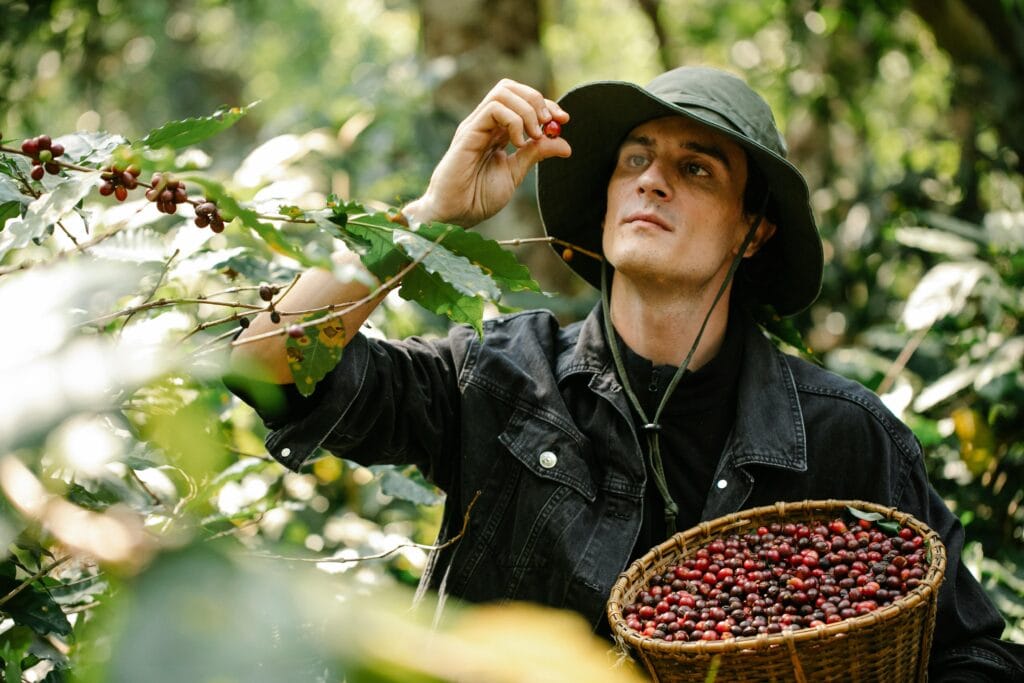
Farmers typically grow these coffees at higher altitudes, where slower cherry development supports sweeter, more complex flavours (International Coffee Organization, 2024).
Next, green coffee reaches a small roastery, where the roast profile is dialled in through repeated test batches.
Roasters adjust time and temperature curves to balance acidity, sweetness, and body.
Unlike generic “coffee brand” blends, an artisanal roast rarely aims for uniform taste across seasons.
Instead, it celebrates diversity and origin character.
Home users can unlock this work with a reliable coffee maker, manual coffee maker, or brew coffee maker.
Whether someone uses a V60, French press, or espresso machine, freshly ground artisanal beans usually deliver more aroma and flavour than supermarket coffee pots (Specialty Coffee Association, 2023).
Sustainability Challenges In The Coffee Supply Chain
However, great flavour is not enough.
Coffee production and trade carry a heavy environmental footprint.
Globally, coffee farming contributes to deforestation, biodiversity loss, and water pollution in producing regions (Farrelly & Mitchell, 2025).
Processing methods can use over 100 litres of water per kilogram of coffee cherries, creating wastewater that harms rivers and ecosystems (Farrelly & Mitchell, 2025).
Transport and roasting also produce greenhouse gas emissions.
One estimate suggests that producing one pound of roasted coffee can generate around 11 pounds of CO₂ equivalents (CarbonClick, 2023).
Moreover, single‑use coffee cups and pods contribute to waste mountains, particularly in high‑consumption markets like the UK (LSE, 2019).
Because of these impacts, sustainable sourcing and waste reduction have become central themes for both the British Coffee Association and the International Coffee Organization (British Coffee Association, 2023 : International Coffee Organization, 2024).
How Artisanal Roasts Support Sustainability
Artisanal roasters are often better placed to implement ethical and environmental improvements.
Many purchase certified coffees such as Fairtrade, Rainforest Alliance, or organic, or they build direct‑trade relationships with farmers.
The Global Coffee Platform reports that sustainable coffee purchases increased by more than 170% between 2018 and 2024, illustrating growing demand for verified responsible beans (Global Coffee Platform, 2025).
Direct relationships can pay farmers higher prices, improving livelihoods and encouraging climate‑resilient practices like shade‑grown agroforestry (Giovannucci, 2003).
Shade trees support biodiversity, protect soils, and store carbon, while still producing high‑quality cherries.
Within the UK, roasters also invest in energy‑efficient equipment, recyclable packaging, and low‑waste operations.
Some use renewable electricity in their facilities or offset emissions through credible schemes.
Others partner with cafés to run cup‑return initiatives or discounts for reusable cups, reducing single‑use waste (LSE, 2019).
Consequently, when consumers choose artisanal roasts from a coffee company with clear sustainability commitments, their daily brew can meaningfully support environmental goals.
Social Impacts And Fair Trade Coffee
Coffee supports around 125 million people worldwide, many in smallholder communities (International Coffee Organization, 2024).
Yet farmers often face volatile prices, climate risk, and limited access to finance.
Artisanal and fair trade coffee can help rebalance value distribution by paying premiums and supporting community projects.
Fairtrade International data show that certified coffee farmers receive a minimum price plus a Fairtrade Premium, which cooperatives invest in local priorities like schools, healthcare, or climate adaptation (Fairtrade International, 2023).
Studies suggest that such schemes improve income stability and encourage long‑term soil and shade management (Giovannucci, 2003).
Highlighting producer stories on packaging and websites helps customers connect their “coffee cup café” moment to real people and landscapes.
Brewing Artisanal Roasts At Home
Artisanal coffee shines when brewed with care.
Fortunately, home equipment has never been more accessible.
From simple pour‑over drippers to high‑end espresso machines, there is a coffee maker for every budget and kitchen.
For most beginners, a manual coffee maker such as a French press or V60 offers excellent value.
Fresh grinding just before brewing preserves aromas and can transform even a modest brew coffee maker into a “best coffee maker” experience (Specialty Coffee Association, 2023).
Water quality also matters.
Using filtered water and a proper coffee‑to‑water ratio ensures a balanced cup.
Because artisanal roasts often highlight origin character, experimenting with grind size and brew time can reveal new tasting notes.
Light roasts may shine in filter methods, while medium roasts can work well in both espresso and immersion styles.
Choosing A Sustainable Coffee Shop
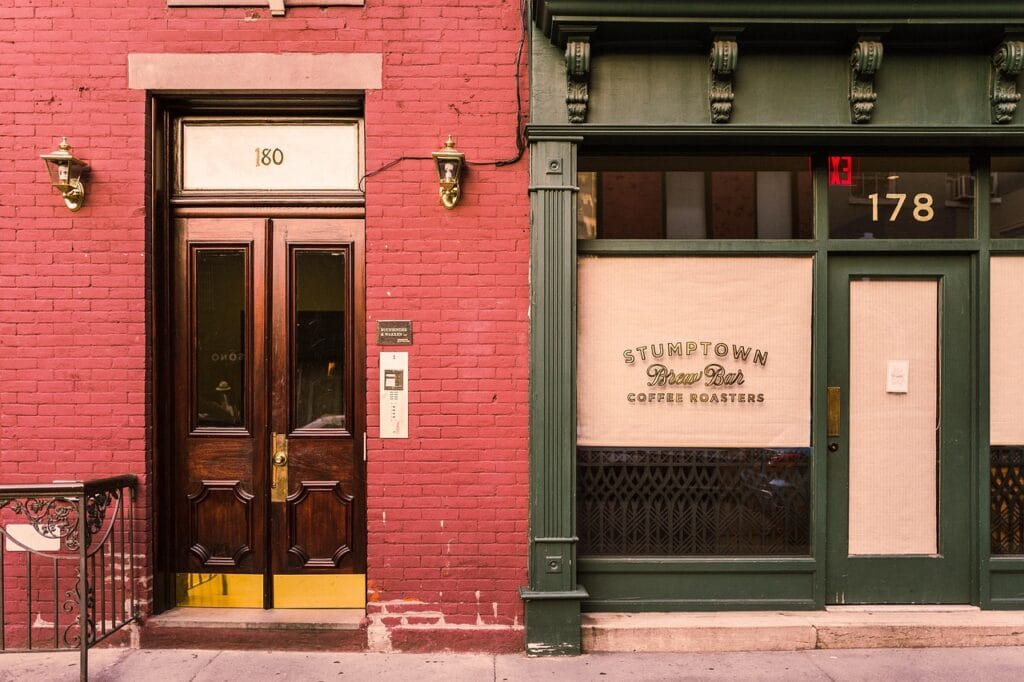
For many, coffee still means a visit to a favourite café.
However, choosing a sustainable coffee shop takes a bit of research.
Customers can look for signs of responsible practice when they type “coffee shop near me” or “coffee cafe near me” into search engines.
Key indicators include:
- Clear information about bean origins and certifications.
- Reusable cup incentives or in‑store cup‑washing schemes.
- Plant‑based milk options, which usually have lower emissions than dairy milk (Poore & Nemecek, 2018)https://science.sciencemag.org/content/360/6392/987.
- Transparent recycling and food‑waste policies.
- Partnerships with local environmental or social organisations.
Review platforms and social media often reveal whether a coffee house genuinely embeds sustainability or merely uses it as marketing.
Therefore, supporting cafés that serve artisanal roasts and show visible commitments can nudge the wider sector toward best practice.
Practical Steps For More Sustainable Artisanal Coffee
Individual choices add up.
Here are practical steps UK coffee lovers can take:
- Buy beans from roasters that publish sustainability reports or impact statements.
- Look for certifications or transparent direct‑trade relationships.
- Use a reusable cup for takeaway drinks whenever possible.
- Choose brewing methods and machines with good energy efficiency.
- Compost coffee grounds or use local food‑waste collections.
- Explore plant‑based milks for lower‑carbon lattes.
Research suggests that switching to more sustainable production practices could reduce coffee’s carbon footprint by more than 75% in some contexts (CarbonClick, 2023).
Therefore, consumer demand for responsible artisanal roasts can send powerful signals through the supply chain.
Looking Ahead: Artisanal Roasts And The Future Of Coffee
Climate change will continue to challenge coffee production worldwide.
Modelled scenarios indicate that suitable land for high‑quality Arabica could shrink significantly this century without adaptation (International Coffee Organization, 2024).
Yet innovation, agroforestry, and resilient varieties offer hope.
In this context, artisanal roasts are more than a lifestyle choice.
They represent an opportunity to support farming systems that protect forests, respect workers, and reward quality.
Ultimately, every artisanal cup tells a story.
By choosing roasts that taste great and respect the planet, coffee lovers can enjoy richer flavours and a clearer conscience.
Reference List
Balance Coffee (2024) Coffee Consumption Statistics UK 2025. Available at: https://balancecoffee.co.uk/blogs/blog/coffee-consumption-statistics-uk (Accessed: 30 December 2025).
British Coffee Association (2023) Coffee Sustainability in Action. Available at: https://britishcoffeeassociation.org/sustainability-in-action/ (Accessed: 30 December 2025).
CarbonClick (2023) The Environmental Impact of Coffee Growing and Transportation. Available at: https://www.carbonclick.com/news-views/the-environmental-impact-of-coffee-growing-and-transportation (Accessed: 30 December 2025).
Fairtrade International (2023) Coffee. Available at: https://www.fairtrade.net/product/coffee (Accessed: 30 December 2025).
Farrelly, M. and Mitchell, A. (2025) How Climate Change is Impacting the Global Coffee Supply Chain. Farrelly & Mitchell. Available at: https://farrellymitchell.com/food-beverage-supply-chain/coffee-supply-chain/ (Accessed: 30 December 2025).
Giovannucci, D. (2003) The State of Sustainable Coffee: A Study of Emerging Markets. International Institute for Sustainable Development. Available at: https://www.iisd.org/system/files/publications/state_sustainable_coffee.pdf (Accessed: 30 December 2025).
Global Coffee Platform (2025) Sustainable Coffee Purchases Report 2024. Available at: https://www.globalcoffeeplatform.org/latest/2025/sustainable-coffee-purchases-report-2024/ (Accessed: 30 December 2025).
Google Trends (2024) Coffee shop near me – United Kingdom. Available at: https://trends.google.com/trends/ (Accessed: 30 December 2025).
International Coffee Organization (2024) Annual Review 2023/24. London: ICO. Available at: https://www.ico.org/documents/cy2024-25/annual-review-2023-2024-e.pdf (Accessed: 30 December 2025).
Lavazza Professional (2024) UK Coffee Statistics 2024. Available at: https://www.lavazzapro.co.uk/blog/2024-uk-coffee-statistics/ (Accessed: 30 December 2025).
LSE (2019) Brewing Change: Transforming the Disposable Coffee Cup Culture in the UK. London School of Economics. Available at: https://www.lse.ac.uk/research/research-for-the-world/sustainability/brewing-change-transforming-the-disposable-coffee-cup-culture (Accessed: 30 December 2025).
Lumina Intelligence (2025) UK Coffee Market: Size, Growth and Share Statistics 2025. Available at: https://www.lumina-intelligence.com/blog/foodservice/uk-coffee-market-size-growth-share-statistics-2025/ (Accessed: 30 December 2025).
Mintel (2024) Coffee – UK – 2024. London: Mintel Group. Available at: https://store.mintel.com/report/uk-coffee-market-report-2024 (Accessed: 30 December 2025).
Poore, J. and Nemecek, T. (2018) ‘Reducing food’s environmental impacts through producers and consumers’, Science, 360(6392), pp. 987–992. Available at: https://science.sciencemag.org/content/360/6392/987 (Accessed: 30 December 2025).
Specialty Coffee Association (2023) Coffee Standards and Research Library. Available at: https://sca.coffee/research (Accessed: 30 December 2025).