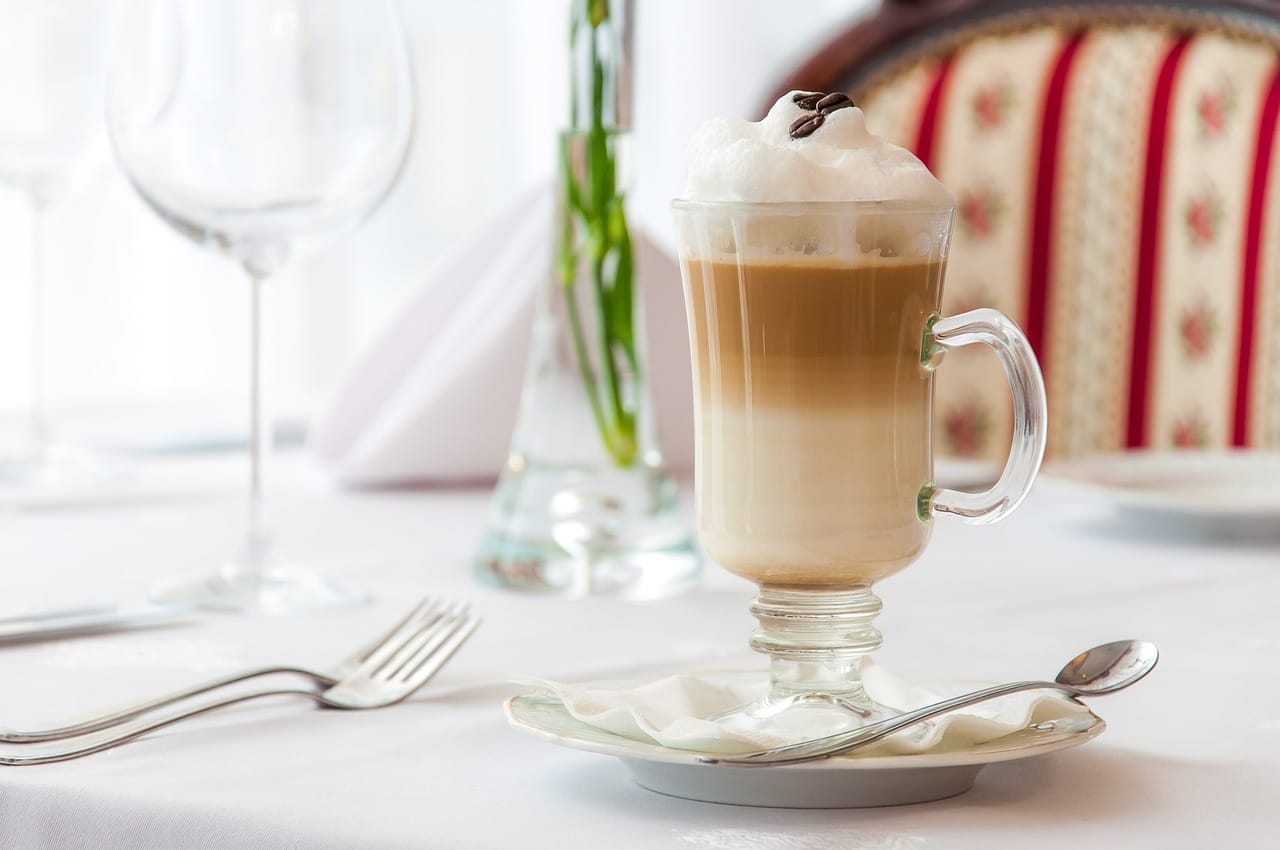

Coffee culture in the UK has evolved dramatically over the past decade, and London stands at its heart. From artisan cafés in Shoreditch to takeaway cups in Canary Wharf, coffee is now more than a drink—it’s a lifestyle. Among the latest trends captivating British coffee enthusiasts is cold brew coffee. Known for its smooth flavour, lower acidity, and refreshing coolness, cold brew is no longer confined to summer months. In fact, Londoners are now embracing it year-round, appreciating its versatility and health benefits in equal measure.
This article explores the many benefits of cold brew coffee across the seasons, examining why it’s become a staple choice for both wellness enthusiasts and everyday commuters.

The Rise of Cold Brew Coffee in the UK
Cold brew coffee made its first splash in British cafés in the mid-2010s. Yet, its real surge began when consumers started seeking healthier and more convenient alternatives to sugary iced lattes and carbonated energy drinks.
A Growing Trend Among Health-Conscious Consumers
According to recent market data, the cold brew category in the UK has grown over 20% year on year (Mintel, 2024). This spike coincides with rising interest in functional drinks and wellness beverages. Consequently, consumers now perceive cold brew as a premium, natural choice for sustained energy without additives.
London’s Coffee Scene and Innovation
London’s café culture has embraced this shift wholeheartedly. Independent roasters such as Origin Coffee, Grind, and Monmouth Coffee Company now feature cold brew options all year. Their appeal lies in craftsmanship and sustainability—attributes that modern UK consumers value highly (Coffee Association, 2023).
What Exactly Is Cold Brew Coffee?
The Brewing Process
Cold brew coffee is not the same as iced coffee.
While iced coffee involves brewing hot coffee and then cooling it, cold brew uses a completely different process. It’s made by steeping coarsely ground beans in cold water for 12 to 24 hours. This slow extraction process results in a smoother, naturally sweeter flavour profile.
The Science Behind the Taste
Because cold brewing reduces acidity by around 60–70%, it creates a softer taste that’s easier on the stomach (Jones, 2022). Furthermore, this process draws out more caffeine and aroma oils, giving the coffee a subtle complexity that hot brewing methods often miss.
Health and Wellness Benefits of Cold Brew Coffee
Cold brew isn’t just a trend; it carries multiple wellness advantages supported by research and nutritionists.
Low Acidity and Gut Health
Traditional coffee can sometimes irritate sensitive stomachs. Conversely, cold brew’s reduced acidity makes it a gentler alternative for people with digestive concerns (Harper, 2023). This characteristic allows many to enjoy coffee without discomfort or bloating.
Sustained Energy Without the Crash
Cold brew typically contains slightly more caffeine per serving than hot coffee. However, the gradual extraction process and slower absorption lead to steadier energy levels (Brown, 2022). Consequently, professionals in London’s fast-paced environment find cold brew a perfect companion for long workdays or commutes.
Antioxidant Properties and Heart Health
Coffee is rich in antioxidants that help protect cells from oxidative stress. Regular consumption supports cardiovascular function, with studies linking coffee intake to lower risks of heart disease and type 2 diabetes (Smith, 2023). Cold brew retains these antioxidants effectively due to its brewing method.
A Hydrating Choice
Because of its smooth, less bitter character, cold brew is easier to drink black or with minimal milk. This helps avoid excess sugar while still contributing to daily hydration, essential during both winter heating seasons and summer heatwaves.
Cold Brew Coffee Through the Seasons
Cold brew coffee isn’t limited to warm weather. Each season offers unique ways to enjoy and adapt it.
Spring: A Revitalising Start
As days grow brighter, cold brew offers a refreshing energy boost that complements lighter breakfasts and outdoor walks. Adding a splash of oat or almond milk makes it even more uplifting. London cafés often highlight floral or fruity flavour notes—perfect for this rejuvenating season.
Summer: The Perfect Cool Down
Nothing beats a chilled cold brew on a summer day. With fewer calories than sweetened iced drinks, it quenches thirst and satisfies cravings (Taylor, 2023). Moreover, cafés across London, from Notting Hill to Soho, showcase creative cold brew variations such as sparkling or citrus-infused versions.
Autumn: A Smooth Seasonal Transition
When temperatures drop, switching entirely back to hot drinks isn’t necessary. Mixing cold brew with cinnamon or nutmeg creates a warming yet refreshing flavour profile. Many UK baristas even serve “cold brew lattes” that balance comfort and refreshment perfectly.
Winter: Comfort in Chill
Though the name might suggest otherwise, cold brew works wonderfully in winter. Warmed gently or served as a concentrate with steamed milk, it provides a mellow, aromatic drink without bitterness. Furthermore, its lower acidity means fewer stomach issues during the indulgent holiday season.
Environmental and Ethical Considerations
Sustainable Brewing Practices
Cold brew requires less energy to produce than hot coffee, conserving electricity and water. For eco-conscious Londoners, this aligns neatly with the city’s sustainability goals (Green Future UK, 2024).
Supporting Responsible Sourcing
Many UK roasters use ethically sourced beans from Rainforest Alliance–certified farms. Supporting these businesses helps promote fair wages, biodiversity conservation, and carbon reduction initiatives (Williams, 2023). Consequently, every cold brew purchase can have a meaningful impact.

Bitterroot Coffee Blend (Dark French Roast) from Sustainably B-Corp Certified Suppliers – Whole Bean
20 in stock
DIY Cold Brew Coffee at Home
Creating your own cold brew in London’s compact kitchens is simpler than most expect.
What You Need
All you need is:
- Coarsely ground coffee (medium or dark roast)
- Filtered cold water
- A large jar or French press
- A fine-mesh sieve or coffee filter
Simple Brewing Steps
- Add one part coffee to eight parts cold water.
- Stir gently, ensuring all grounds are wet.
- Cover and refrigerate for 12–18 hours.
- Strain the mixture and store it in a sealed container.
The result is a smooth concentrate that keeps for up to a week. Dilute it with water, milk, or oat drink to your preferred strength.
Creative Serving Ideas
Try blending your cold brew with vanilla syrup, a pinch of sea salt, or plant-based milk for seasonal flavour. You can also experiment with adding protein powder for a pre-gym energy drink.
Why Cold Brew Fits the London Lifestyle
Londoners lead dynamic, time-pressed lives. Cold brew fits naturally into that rhythm by being portable, ready to drink, and easy to customise.
On-the-Go Convenience
From Pret a Manger to independent cafés, bottled cold brews are widely available across the city. This accessibility transforms daily routines, enabling busy professionals to replace high-sugar options with a balanced caffeine source.
A Stylish Alternative
Aesthetic presentation matters in the social media age. Cold brew’s sleek bottles and minimalist branding make it an Instagram-worthy accessory that aligns with modern UK beauty and lifestyle values.
Inclusivity and Adaptability
Vegan, dairy-free, and keto consumers all find cold brew aligns with their preferences. Furthermore, the beverage’s adaptability allows everyone—from morning commuters to fitness enthusiasts—to make it their own.
Conclusion
Cold brew coffee is more than a passing fad. It represents a lasting shift towards cleaner, more mindful consumption. With its rich flavour, health benefits, and environmental advantages, cold brew has rightfully earned its place in London’s dynamic café culture. Whether poured over ice on a summer afternoon or gently heated on a winter morning, its appeal transcends the seasons.
For coffee lovers seeking balance, energy, and sophistication, cold brew coffee stands as the ultimate year-round choice.
References
Brown, L. (2022). Cold Brew vs Hot Coffee: The Real Caffeine Difference. Coffee Science Daily. Available at: https://coffeesciencedaily.com/caffeine-differences (Accessed: 25 March 2026).
Coffee Association. (2023). UK Coffee Market Report 2023. Coffee Association. Available at: https://britishcoffeeassociation.org/market-report-2023 (Accessed: 25 March 2026).
Green Future UK. (2024). Sustainable Cafés in London: Reducing Carbon One Cup at a Time. Green Future UK. Available at: https://greenfutureuk.org/sustainable-cafes (Accessed: 25 March 2026).
Harper, E. (2023). How Low-Acid Coffee Supports Gut Health. Nutrition Insight UK. Available at: https://nutritioninsightuk.com/low-acid-coffee (Accessed: 25 March 2026).
Jones, R. (2022). The Chemistry of Cold Brew. Food Science Journal UK. Available at: https://foodsciencejournaluk.com/chemistry-cold-brew (Accessed: 25 March 2026).
Mintel. (2024). UK Coffee Trends 2024. Mintel Market Research. Available at: https://www.mintel.com/uk-coffee-trends-2024 (Accessed: 25 March 2026).
Smith, A. (2023). Antioxidant Advantages of Regular Coffee Consumption. Healthline UK. Available at: https://www.healthline.co.uk/coffee-antioxidants (Accessed: 25 March 2026).
Taylor, C. (2023). Refreshing Summer Coffee Recipes. UK Barista Magazine. Available at: https://ukbaristamagazine.com/summer-recipes (Accessed: 25 March 2026).
Williams, J. (2023). Ethical Coffee Sourcing Explained. Fair Trade Coffee Trust. Available at: https://fairtradecoffeetrust.org/sourcing (Accessed: 25 March 2026).