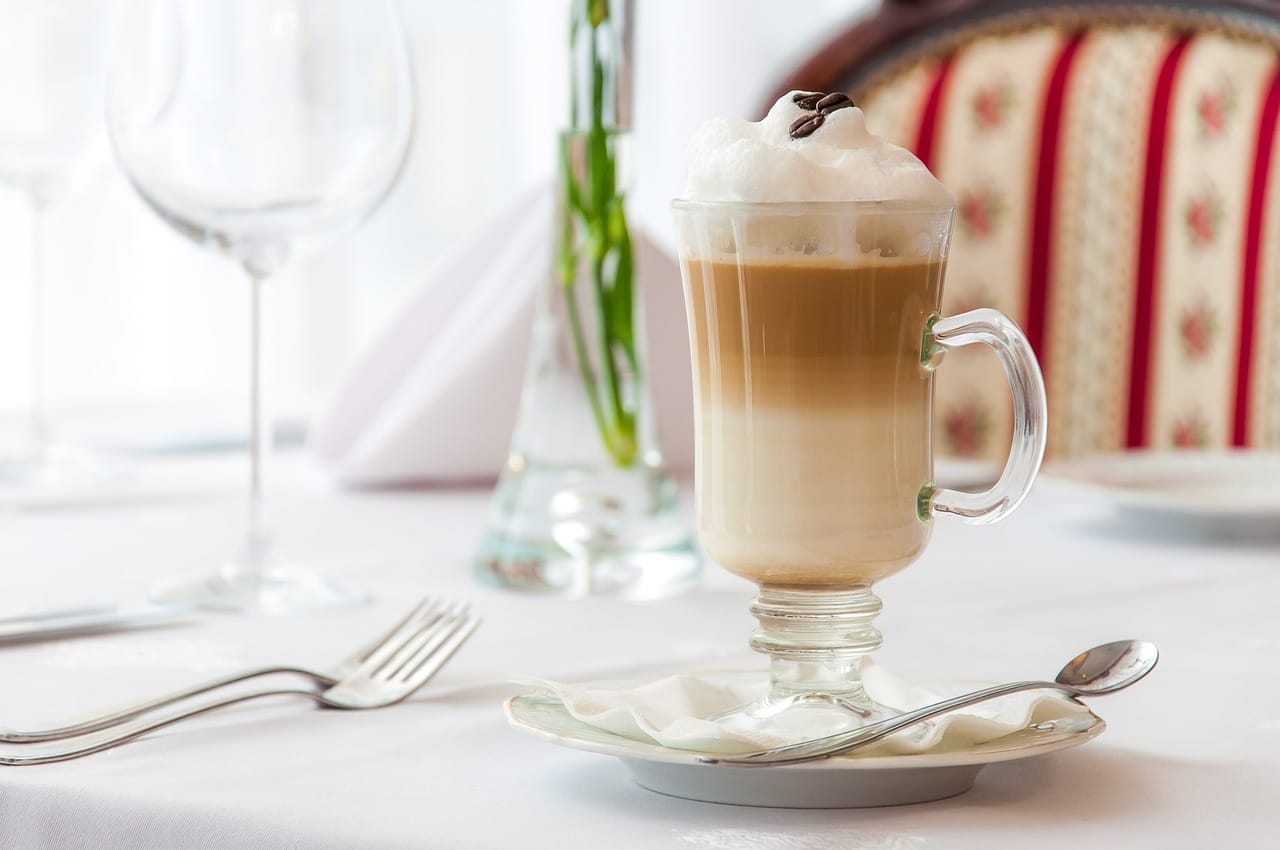
An espresso café feels truly authentic when every detail, from beans to baristas, aligns with a clear story of quality, heritage and sincerity (Kim et al., 2020; Lumina Intelligence, 2025).
In practice, authenticity blends craft, atmosphere and honest branding into one coherent experience (Dedeoglu et al., 2018; Barista Life, 2025; KBK Bakery, 2023).
What “Authentic Espresso” Really Means
Authenticity starts with how a café defines espresso and then honours that definition daily (KBK Bakery, 2023).
A truly authentic bar respects classic brew ratios, recipe consistency and a clear sensory profile (Dalla Corte, 2025).
In third‑wave cafés, espresso is treated as an artisanal craft, not a generic caffeine shot (Barista Life, 2025; KBK Bakery, 2023).
Therefore, baristas weigh doses, track extraction times and adjust grind to protect flavour clarity (Dalla Corte, 2025).
They also explain the difference between a true espresso and milk‑heavy high‑street drinks without shaming guests (Kim et al., 2020).
Moreover, authentic cafés communicate origin and roast choices openly (KBK Bakery, 2023). Menus often show farm names, processing methods and roast dates to prove freshness and traceability (Barista Life, 2025; MTPak Coffee, 2022). As a result, every espresso links back to people and places, not just a brand logo (Lukas, 2015).
Beans, Roasting and Sourcing Ethics
Authenticity collapses quickly if beans feel anonymous or poorly sourced (Lukas, 2015). Quality‑focused cafés invest in green coffee that matches their ethical and sensory standards (MTPak Coffee, 2022).
Firstly, many work with specialty‑grade beans and transparent supply chains (Barista Life, 2025; Rave Coffee, 2024). This often includes direct relationships with farmers or cooperatives and clear information about prices and practices (Lukas, 2015). Thus, guests taste both quality and conscience in each shot (Linton, Liou and Shaw, 2004).
Secondly, roasting style must suit espresso and the brand’s identity (Dalla Corte, 2025).
Some authentic Italian‑leaning bars use darker roasts for body and bitterness, while Nordic‑inspired shops prefer lighter, fruit‑driven profiles (Japanese Coffee Co., 2025; KBK Bakery, 2023).
What matters is consistency between the story, the roast and the cup, not chasing every trend (Kim et al., 2020).
Thirdly, ethical sourcing now shapes authenticity in the eyes of many UK consumers (Lumina Intelligence, 2025; Mintel, 2025). Guests increasingly expect cafés to consider farmer welfare, environmental impact and certifications like Fairtrade or organic (Lukas, 2015; Linton, Liou and Shaw, 2004). When cafés explain these choices clearly, they strengthen trust and long‑term loyalty (Kim et al., 2020; Rave Coffee, 2024).
Atmosphere, Ritual and the Beauty of the Café Space
From a beauty‑blog perspective, an authentic espresso café acts like a lifestyle setting, not just a drinks counter (Jang et al., 2011; Japanesecoffeeco, 2025).
The space becomes an extension of personal style and self‑care rituals (Dedeoglu et al., 2018).
Research on coffee‑shop experience shows that atmosphere, scent, sound and layout strongly influence satisfaction and loyalty (Dedeoglu et al., 2018; Kim et al., 2020). Consequently, authentic cafés design interiors that feel coherent with their coffee philosophy, whether minimalist, heritage‑driven or cosy and eclectic (Japanesecoffeeco, 2025). Lighting, cup design and music all support that chosen mood (Dedeoglu et al., 2018).
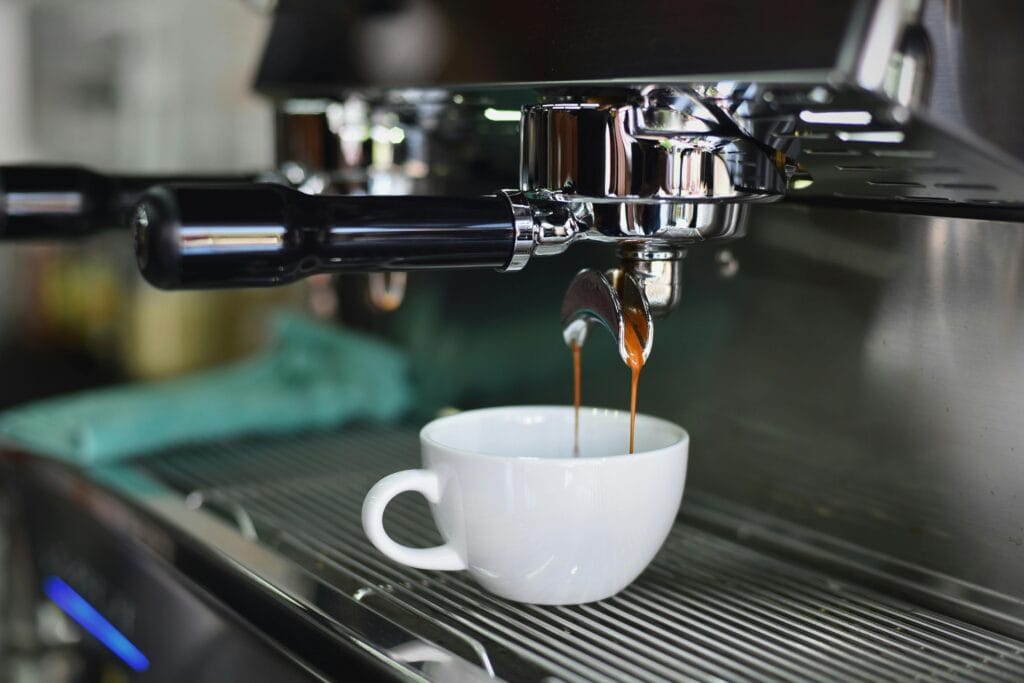
Furthermore, the ritual around espresso adds a beauty element of its own. The hiss of steam, the crema forming and the simple porcelain cup turn into a micro‑moment of mindful luxury (KBK Bakery, 2023; Barista Life, 2025). When baristas move with calm, confident gestures, they reinforce a sense of craft and care that guests instinctively read as authentic (Kim et al., 2020).
For many London coffee lovers, these sensory details matter as much as taste (Lumina Intelligence, 2025; Mintel, 2025). A café that looks good, smells good and feels welcoming naturally aligns with broader lifestyle and skincare routines already popular on beauty blogs (Dedeoglu et al., 2018).
Service, Sincerity and Brand Authenticity
Academic work on coffee‑shop authenticity highlights three key dimensions: quality commitment, heritage and sincerity (Kim et al., 2020; Jang et al., 2011).
These traits strongly influence brand trust and loyalty in café settings (Kim et al., 2020).
Quality commitment shows up when a café keeps its promises about taste, speed and consistency (Kim et al., 2020). Shots should taste similar from one visit to the next, and staff should fix mistakes quickly and kindly (Dedeoglu et al., 2018).
When team members remember regulars’ orders, loyalty deepens even further (Kim et al., 2020).
Heritage does not always mean a century‑old Italian bar. It can also mean a clear story about how and why the brand started (Jang et al., 2011). Perhaps the founder trained in Milan or fell in love with specialty cafés in Melbourne (Japanesecoffeeco, 2025). Communicating that journey through décor, copy and conversation helps guests feel part of something real (Kim et al., 2020).
Sincerity may be the most important ingredient. Guests judge whether a café lives its values day to day, from reusable cups to how it treats staff (Kim et al., 2020; Linton, Liou and Shaw, 2004). Over‑staged interiors or heavy filters on social media can feel hollow if the experience in store does not match (Dedeoglu et al., 2018). Truly authentic spots stay modest, honest and consistent instead.
UK Market Context: Why Authenticity Sells
The UK coffee‑shop market continues to grow, despite economic pressure (Lumina Intelligence, 2025; Mintel, 2025). Premium and artisan cafés capture much of this momentum by offering distinctive experiences rather than cheap caffeine alone (Lumina Intelligence, 2025).
Market reports show that UK guests will trade up when they feel the quality and experience justify the price (Lumina Intelligence, 2025; Jellybean Creative, 2025). They look for better beans, expert preparation and unique settings that feel “Instagrammable” yet genuine (Mintel, 2025). Thus, authenticity becomes a commercial asset, not just a romantic ideal.
At the same time, competition is intense. Mainstream chains are upgrading interiors, drinks and digital journeys to keep pace with boutique operators (Lumina Intelligence, 2025). Independent cafés, therefore, need a sharper, more personal authenticity story to stand out (Kim et al., 2020). This is where alignment between sourcing, design, service and brand values becomes critical (Rave Coffee, 2024).
For beauty‑focused readers, this trend mirrors the move from generic skincare to targeted, story‑driven brands. Just as consumers now ask where their serums are formulated, they increasingly want to know who roasted their espresso and why (Mintel, 2025; Linton, Liou and Shaw, 2004).
How to Spot a Truly Authentic Espresso Café
When readers explore London or travel abroad, they can use a simple checklist to assess authenticity in real time (Barista Life, 2025; KBK Bakery, 2023).
Look for:
- Clear information about beans, origin and roast on the menu or website (Barista Life, 2025; Rave Coffee, 2024).
- Baristas who can explain drinks in friendly, accessible language (Kim et al., 2020; Dedeoglu et al., 2018).
- Espresso served with attention to crema, temperature and cup presentation (KBK Bakery, 2023; Dalla Corte, 2025).
- A space that feels cohesive, cared for and aligned with the coffee story (Japanesecoffeeco, 2025; Dedeoglu et al., 2018).
- Honest pricing that reflects quality without hidden “service tricks” (Lumina Intelligence, 2025).
Conversely, be cautious when:
- Menus rely on vague buzzwords like “artisanal” without details (Kim et al., 2020).
- Staff struggle to answer basic questions about beans or brew methods (Dedeoglu et al., 2018).
- Social media promises do not match the in‑person atmosphere or drink quality (Kim et al., 2020).
These quick cues help filter out cafés that copy the aesthetic of authenticity without doing the deeper work (Jang et al., 2011). They also empower your audience to align their daily coffee choices with their values, just as they already do with beauty products (Mintel, 2025).
Reference list (Harvard style)
Barista Life (2025) ‘Third wave coffee trends transforming modern café culture’. Available at: https://baristalife.co/blogs/blog/third-wave-coffee-trends (Accessed: 17 January 2026).[baristalife]
Dalla Corte (2025) ‘Third wave coffee: the new era of quality coffee’. Available at: https://www.dallacorte.com/magazine-third-wave-coffee-the-new-era-of-quality-coffee-n-1120.html (Accessed: 17 January 2026).[dallacorte]
Dedeoglu, B.B. et al. (2018) ‘Customer experience in coffee stores: A multidisciplinary neuromarketing approach’, Journal of Consumer Behaviour. Wiley Online Library.[onlinelibrary.wiley]
Japanesecoffeeco (2025) ‘Experiencing coffee first-hand in Italy: The land of espresso’. Available at: https://japanesecoffeeco.com/blogs/japanese-coffee-blog/experiencing-coffee-first-hand-in-italy-the-land-of-espresso (Accessed: 17 January 2026).[japanesecoffeeco]
Jang, S.S. et al. (2011) ‘Brand authenticity, brand trust and brand loyalty in coffee shops’, Service Business.
Jellybean Creative (2025) UK Coffee Market 2025 Lumina report – key takeouts. Available at: https://www.jellybeancreative.co.uk/2025/08/15/uk-coffee-market-2025-lumina-report-key-takeouts/ (Accessed: 17 January 2026).[jellybeancreative.co]
KBK Bakery (2023) ‘A deep dive into the third-wave coffee trend’. Available at: https://kbcbakery.com/a-deep-dive-into-the-third-wave-coffee-trend/ (Accessed: 17 January 2026).[kbcbakery]
Kim, J. et al. (2020) ‘Consumer-based brand authenticity and brand trust in brand loyalty in the Korean coffee shop market’.[scribd]
Linton, A., Liou, C. and Shaw, K. (2004) ‘A taste of trade justice: Marketing Fair Trade coffee’, Globalizations, 1(2), pp. 223–246.[edepot.wur]
Lukas, K.D. (2015) The supply chain of Fair Trade coffee. University of Vermont. Available at: https://scholarworks.uvm.edu/cgi/viewcontent.cgi?article=1440&context=graddis (Accessed: 17 January 2026).[scholarworks.uvm]
Lumina Intelligence (2025) UK Coffee Market: Size, growth and share statistics 2025. Available at: https://www.lumina-intelligence.com/blog/foodservice/uk-coffee-market-size-growth-share-statistics-2025/ (Accessed: 17 January 2026).[lumina-intelligence]
Mintel (2025) UK Coffee – Market dynamics 2025. Available at: https://store.mintel.com/report/uk-coffee-market-dynamics (Accessed: 17 January 2026).[store.mintel]
MTPak Coffee (2022) ‘A roaster’s guide to ethically sourced coffee’. Available at: https://mtpak.coffee/2022/01/roasters-guide-ethically-sourced-coffee/ (Accessed: 17 January 2026).[mtpak]
Rave Coffee (2024) ‘How to develop a sustainable sourcing strategy for wholesale coffee’. Available at: https://ravecoffee.co.uk/blogs/how-to/develop-a-sustainable-sourcing-strategy-for-wholesale-coffee (Accessed: 17 January 2026).[ravecoffee.co]