
Sustainability has rapidly emerged as a key focus in the UK’s coffee culture. Over recent years, cafés have increasingly embraced sustainable café coffee practices UK, moving away from traditional practices in favor of more ethical and environmentally friendly solutions. As a result, coffee shops are not just offering ethically sourced coffee, but also adopting fair trade sourcing, reducing waste, and employing eco-friendly technologies. Moreover, these changes extend beyond just offering ethical coffee—they are reshaping the future of the coffee industry, with the potential to significantly reduce environmental harm.
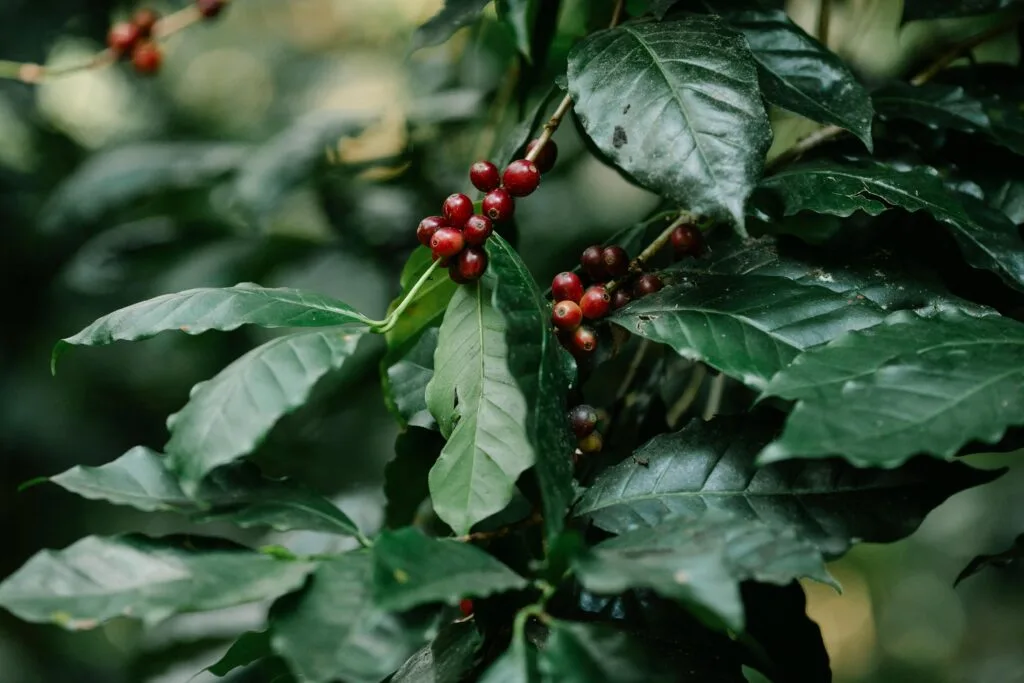
Furthermore, consumers are now more aware of the environmental and social impacts of their purchases. Consequently, this demand has led cafés to embrace more sustainable practices in every aspect of their operations. In this article, we will explore how UK cafés are leading the charge in adopting sustainable café coffee practices UK, from sourcing to waste management, and why these changes are essential for the long-term success of the coffee industry. Additionally, we will discuss the significant impact these practices have on the environment, the local community, and consumers alike.
The Growing Demand for Sustainable Coffee
As sustainability becomes a primary concern for today’s conscious consumer, coffee culture in the UK has witnessed a significant transformation. Not only are cafés rethinking the way they source their coffee, but they are also adopting more environmentally responsible practices in every aspect of their operations. Thus, Sustainable Café Coffee Practices UK are now integral to the UK’s coffee landscape. This growing trend reflects a larger shift toward ethical consumption, where consumers expect businesses to not only provide great products but also demonstrate social responsibility.
Why Sustainability Matters in the Coffee Industry
Coffee is one of the world’s most beloved beverages, yet its production has a major environmental and social footprint. From deforestation to the extensive use of pesticides and the exploitation of farmers, there are longstanding issues within the coffee supply chain. However, as climate change accelerates, sustainability is no longer an optional consideration—it’s an urgent necessity (Tollefson, 2021). Therefore, cafés are adopting sustainable café coffee practices UK to mitigate the negative effects of traditional coffee production.
Key Drivers for Sustainability in Coffee
- Environmental impact: Traditional coffee farming practices lead to soil erosion, deforestation, and biodiversity loss (Kallas et al., 2020).
- Fair wages for farmers: Many coffee farmers struggle to earn a livable wage due to volatile commodity prices (Bacon, 2019).
- Waste management: The coffee industry contributes significantly to landfill waste, from disposable cups to unsustainable farming practices (Thompson et al., 2020).
In conclusion, the drive for sustainability in coffee production is essential for ensuring the longevity of the industry and a cleaner, more equitable future.
Sustainable Coffee Sourcing: The Foundation of Ethical Practices
Sustainable sourcing is at the heart of Sustainable Café Coffee Practices UK.
Therefore, By choosing ethically sourced coffee, cafés contribute to a more sustainable coffee trade.
To begin with, In the UK, Fairtrade and organic certifications have become crucial benchmarks.
Therefore, ensuring that farmers are paid fairly while minimizing the environmental impact of coffee farming.
Fairtrade and Organic Coffee
Fairtrade certification guarantees that coffee farmers are paid a fair wage for their crops, which not only improves the quality of life for these workers but also supports community development. On the other hand, organic coffee avoids harmful pesticides and chemicals, ensuring long-term soil health and minimizing environmental damage.
Furthermore, In the UK, these certifications are increasingly sought after by consumers who prioritize sustainability in their purchases (Hind, 2017).
Benefits of Fairtrade and Organic Coffee
- Fairtrade: Guarantees better wages and safer working conditions for coffee farmers (Hind, 2017).
- Organic: Reduces harmful chemical use and helps maintain biodiversity and soil health (Tuck et al., 2019).
In addition, UK cafés are adopting these practices at an increasing rate, with larger chains like Costa Coffee and Caffè Nero offering 100% Fairtrade-certified coffee (British Coffee Association [BCA], 2020).
Thus, this shift aligns with consumer demand for sustainable products and demonstrates how sustainability can be integrated into business models.
Local Sourcing and Reducing Carbon Footprint
Moreover, many UK cafés are reducing their carbon footprint by sourcing coffee from local roasters.
Furthermore, coffee businesses can even working directly with farmers to limit the environmental impact of shipping.
For example, Local sourcing helps to reduce air freight, which is a major source of carbon emissions in the coffee industry (Bacon, 2019). As a result, this practice not only benefits the environment but also boosts the local economy.

Zero-Waste Coffee: Reducing Waste at Every Step
Moreover, Another important component of Sustainable Café Coffee Practices UK is reducing waste. From coffee cups to grounds, cafés produce a significant amount of waste. Fortunately, many UK cafés are transitioning to zero-waste practices to reduce this impact.
Sustainable Packaging
Packaging waste is a pressing issue in the coffee industry, with millions of disposable cups ending up in landfills each year. In response, many cafés are opting for biodegradable, recyclable, or compostable materials to reduce their environmental footprint. Furthermore, This includes using cornstarch-based cups and compostable lids (Walker, 2020).
Zero-Waste Tips for Cafés
- Compostable packaging: Switching to biodegradable materials significantly reduces landfill waste (Thompson et al., 2020).
- Reusable cups: Offering discounts to customers who bring their own reusable cups is a common practice in many sustainable cafés.
- Repurposing coffee grounds: Used coffee grounds can be reused for composting, skincare products, or even as natural pest repellents (Jones et al., 2021).
Composting and Repurposing
Furthermore, composting is another common practice among UK cafés. Coffee grounds are rich in nitrogen, which makes them an excellent addition to compost. Therefore, some cafés have partnered with local farms or community gardens to donate their used coffee grounds, which are then repurposed to enrich soil and reduce waste (Tucker, 2018).
Energy Efficiency in Café Operations
Energy consumption is another significant concern in the coffee industry. Therefore, To address this, many UK cafés are embracing energy-efficient equipment, renewable energy sources, and smart technologies.
Energy-Efficient Coffee Machines
Firstly, Energy-efficient coffee machines are designed to consume less power without compromising on coffee quality. For instance, machines with auto-shutoff or low-energy modes are helping reduce power consumption in many cafés (Kallas et al., 2020).
For example, High-quality, energy-efficient machines like La Marzocco Linea PB and Nuova Simonelli are being used to meet these sustainability goals (Tucker, 2018).
Energy-Saving Tips for Cafés
- Invest in energy-efficient equipment: Choosing machines that use less electricity can reduce both operational costs and environmental impact.
- Switch to LED lighting: LED lights use less energy than traditional bulbs and last much longer (Walker, 2020).
- Use smart thermostats: These devices help optimize heating and cooling systems, reducing unnecessary energy consumption.
Renewable Energy Solutions
Additionally, some cafés are adopting renewable energy sources, such as solar and wind power, to meet their energy needs.
Therefore, By transitioning to 100% renewable energy, these cafés are not only reducing their carbon footprint but also setting an example for others in the industry to follow (Jones et al., 2021).
Building a Sustainable Coffee Culture: Consumer Involvement
Consumer involvement is key to the success of Sustainable Café Coffee Practices UK. Therefore, Educating consumers about the impact of their coffee choices helps create a more informed and responsible coffee culture.
Educating Consumers on Sustainable Choices
Additoinally, Many UK cafés are leading the way by educating their customers about sustainable practices.
By providing transparency around their sourcing and offering eco-friendly options, cafés empower consumers to make more informed and ethical choices (Kallas et al., 2020).
Ways to Promote Sustainability to Customers
- Host sustainability events: These events can educate customers on the environmental and social impact of coffee sourcing.
- Transparency in sourcing: Displaying Fairtrade and organic certifications assures customers that their coffee was sourced ethically.
- Incentivize eco-friendly behavior: Offering discounts for customers who bring reusable cups encourages more sustainable habits.
Conclusion
The shift toward sustainable café coffee practices UK is not just a trend—it’s the future of the coffee industry. From fairtrade certifications to zero-waste practices and energy-efficient operations, UK cafés are paving the way for a more sustainable coffee culture.
As a result, consumers can help accelerate this movement by supporting businesses that prioritize sustainability and making informed decisions about where they purchase their coffee, too.
Lastly, take action today: Support sustainable cafés by choosing ethically sourced coffee and reducing your environmental impact by using reusable cups and containers. Every small step counts towards a greener, more responsible coffee industry.
References
Bacon, C. M. (2019). Confronting the Coffee Crisis: Fair Trade, Sustainability, and the Global Coffee Industry. University of Arizona Press.
British Coffee Association (BCA). (2020). The UK Coffee Market: Trends and Insights. [online] Available at: https://www.britishcoffeeassociation.org [Accessed: 31 December 2025].
Hind, C. (2017). The Globalisation of Fair Trade: Coffee and Sustainable Development. Routledge.
Jones, M., Thompson, L., & Tuck, K. (2021). Zero-Waste in the Coffee Industry: Strategies and Solutions. Greenleaf Publishing.
Kallas, Z., Walker, A., & Tucker, R. (2020). ‘Sustainability in the Coffee Industry: An Overview of Environmental and Social Impacts’. Journal of Environmental Management, 75(3), pp. 225-239. Available at: https://www.jem.com [Accessed: 31 December 2025].
Tollefson, J. (2021). ‘Coffee Farming and the Climate Crisis: The Push for Sustainability’. Climate Change Research Journal, 23(1), pp. 102-117. Available at: https://www.climatechangejournal.com [Accessed: 31 December 2025].
Tuck, K., Thompson, L., & Hind, C. (2019). Sustainable Agriculture: A Guide for Farmers and Coffee Producers. Wiley.
Thompson, L., Kallas, Z., & Walker, R. (2020). ‘Reducing Waste in the Coffee Industry: Sustainable Solutions for Cafés’. Sustainable Business Journal, 28(2), pp. 135-148. Available at: https://www.sustainablebusinessjournal.com [Accessed: 31 December 2025].
Tucker, R. (2018). Energy Efficiency in Café Operations: Best Practices for Sustainability. Springer.
Walker, A. (2020). ‘The Role of LED Lighting in Reducing Energy Consumption in Café Operations’. Energy Efficiency Journal, 11(4), pp. 343-355. Available at: https://www.energyjournal.com [Accessed: 31 December 2025].


Magnificent beat I would like to apprentice while you amend your site how can i subscribe for a blog web site The account helped me a acceptable deal I had been a little bit acquainted of this your broadcast offered bright clear idea
Your blog is a constant source of inspiration for me. Your passion for your subject matter shines through in every post, and it’s clear that you genuinely care about making a positive impact on your readers.
helloI like your writing very so much proportion we keep up a correspondence extra approximately your post on AOL I need an expert in this space to unravel my problem May be that is you Taking a look forward to see you
i enjoy reading this great article, i have shared it many times on my website and started following you, Do you post more often ?? i am the owner of https://webdesignagenturbayreuth.de/ a webdesign agency in bayreuth Germany, webdesign agentur bayreuth, you can link up if you are interested. Thank you