What are Coffee personality types among morning lattes, afternoon americanos, and weekend flat whites all tell small stories about how people live, work, and relax.
For many people in the UK, coffee is more than a drink.
It is a daily ritual, a comfort, and even a quiet act of self‑expression.
The Daily Ritual: What Coffee Says About Your Personality
The beauty and personal care industry has shown that everyday routines can play a powerful emotional role in people’s lives, far beyond functional benefits (British Beauty Council, 2025).
In a similar way, your favourite coffee choice and how you drink it can reflect your personality, your lifestyle, and your approach to self‑care.
Your Coffee personality type could be the connection between daily rituals, identity, and wellbeing sits at the heart of modern “beauty from the inside out”.
Coffee Culture & Self‑Expression in the UK
To understand the context of coffee personality types, we take a closer look at the relevance of this topic to the UK market.
Coffee culture has grown rapidly in Britain over the past two decades. High‑street chains, speciality roasters, and independent cafés now sit alongside traditional tea rooms.
Meanwhile, at‑home espresso machines and coffee subscriptions have become mainstream.
Across beauty and personal care, experts note that UK consumers increasingly seek products and experiences that help them express identity and mood, rather than simply solve functional problems (BeautyMatter, 2025).
Coffee behaves in a very similar way. Choosing a strong espresso, an oat‑milk latte, or a flavoured iced drink is not only about taste. It can also signal how you want to feel and how you wish to be seen.
Why Daily Rituals Matter for Wellbeing
Daily rituals such as skincare, makeup, and hair care play a recognised role in emotional resilience and self‑esteem. The UK beauty sector has grown four times faster than the wider economy, partly because consumers value these routines as moments of control and calm in busy lives (British Beauty Council, 2025).
Coffee rituals work in a similar way. For some people, grinding beans and brewing a pour‑over feels meditative. Others find comfort in a regular order from a familiar barista. These micro‑moments can anchor a day, mark transitions between work and rest, and support a sense of stability. Therefore, how you take your coffee can reveal not only taste preferences but also how you manage stress and structure your time.
Dive in: Coffee personality types
Black Coffee: Minimalist, Focused, and Direct
People who prefer black coffee often enjoy simplicity and clarity. They may want a straightforward flavour with no sweetness or extras. This choice can suggest a practical, no‑nonsense approach to life.
In the same way that minimalist skincare routines appeal to consumers who value efficiency and clean formulations, a simple black filter or americano can reflect a preference for function over ornament (Statista, 2025).
Black‑coffee drinkers may also pay close attention to origin, roast level, and brewing method, echoing the way ingredient‑conscious beauty shoppers read labels and check INCI lists.
Espresso Shots: Intense, Driven, and Time‑Efficient
Your coffee personality type based on Espresso:
Espresso fans often appreciate intensity. A single or double shot delivers a concentrated flavour and a quick caffeine hit. This style can suggest a driven, goal‑oriented personality that values speed and impact.
Short, powerful routines are also common in the UK beauty space. Busy professionals may favour targeted serums or multi‑tasking products that deliver visible results fast (Mintel, 2025).
Similarly, espresso drinkers may gravitate toward strong experiences that fit into tight schedules. They often care deeply about quality, even when time is limited, and they may invest in good machines or visit speciality cafés.
Flat White and Latte: Comfort, Connection, and Everyday Luxury
Your coffee personality type based on Flat white coffee drinks or Latte Recipes:
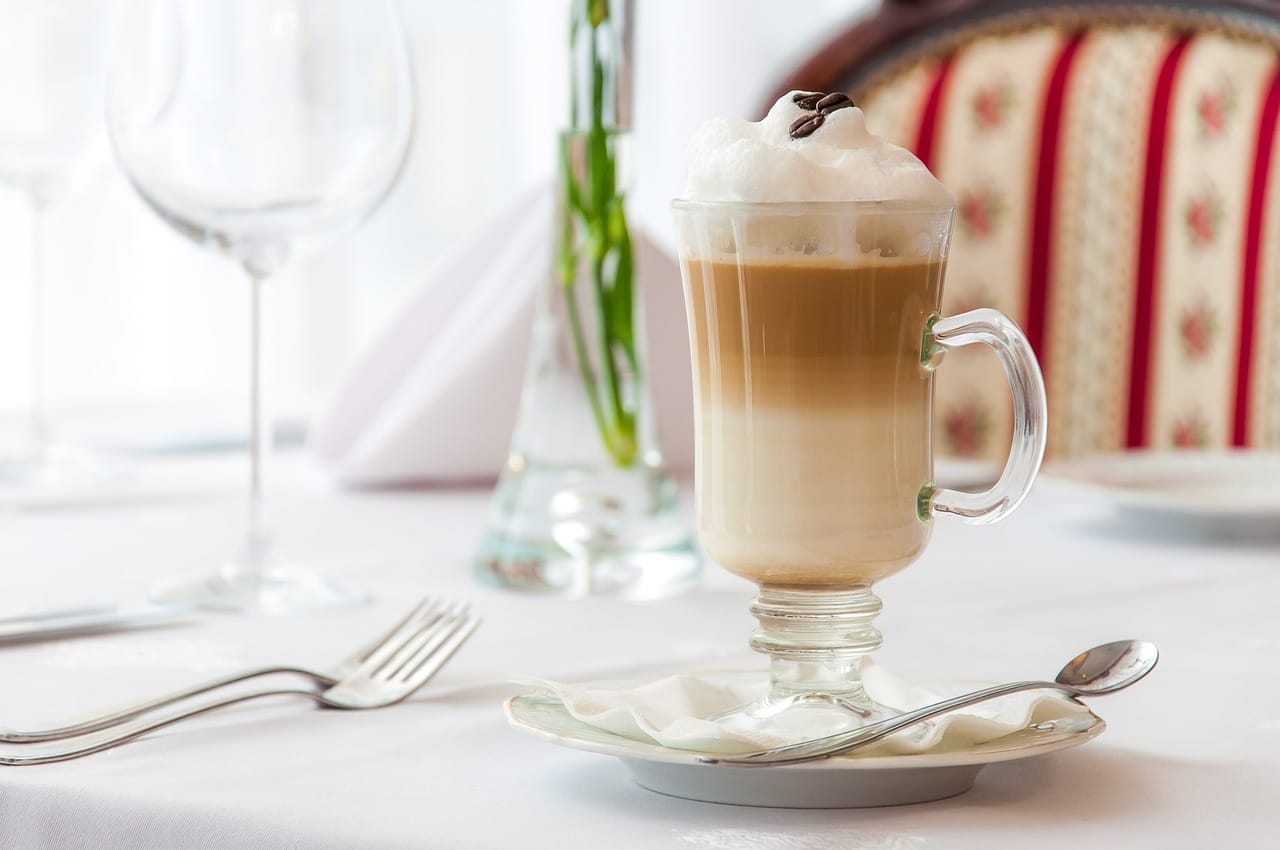
Milk‑based drinks like flat whites, lattes, and cappuccinos are hugely popular in the UK. They offer a softer, creamier experience, often associated with comfort, warmth, and a desire to slow down. Choosing these drinks can hint at a sociable personality that values connection and cosy moments.
Beauty data shows that UK consumers continue to spend on “affordable luxuries” such as skincare and fragrance, even during economic uncertainty, because these items deliver comfort and everyday pleasure (PromoCode, 2025).
Likewise, a daily latte can function as a small act of self‑care. Latte lovers may enjoy routine, ambience, and the social side of café visits as much as the coffee itself.
Iced Coffee and Frappés: Playful, Trend‑Led, and Social
Fans of iced lattes, cold brew, and blended frappés tend to enjoy novelty and seasonal trends. Social media platforms like TikTok and Instagram have boosted the popularity of custom iced drinks, just as they promote trending skincare routines and makeup looks (Professional Beauty, 2025).
Choosing iced, flavoured, or visually striking coffees may indicate a playful, expressive personality. These drinkers often like to experiment and share experiences online. They may also be early adopters of new beauty launches, clean beauty lines, or viral products that promise a fresh, fun twist on daily routines.
Plant‑Based Milk: Conscious, Values‑Driven, and Curious
Oat, almond, soy, and coconut milk have become mainstream in UK coffee shops. People who choose plant‑based options may do so for taste, lactose intolerance, or environmental and ethical reasons. This choice can reveal a mindful, values‑driven outlook.
The rise of vegan and cruelty‑free beauty reflects similar priorities. Reports show strong growth in sustainable and ethical beauty, with increasing demand for products that align with personal principles and environmental concerns (McKinsey, 2025).
Coffee drinkers who select plant‑based milks and Fairtrade beans often extend these values across other lifestyle areas, from skincare packaging to fashion choices.
Decaf Drinkers: Self‑Aware, Sensitive, and Balance‑Focused
Decaf coffee has shaken off its old stigma and now forms part of a balanced lifestyle for many people. Choosing decaf can signal strong self‑awareness and concern for sleep, anxiety levels, or heart health. It often reflects a desire to enjoy the flavour and ritual of coffee without overstimulating the body.
Wellbeing advice from UK health services encourages people to monitor caffeine intake, particularly if they experience anxiety, poor sleep, or heart palpitations (NHS, 2023).
Decaf drinkers may therefore be especially tuned into their body’s signals. They often combine mindful coffee habits with other gentle, skin‑friendly and stress‑reducing beauty and wellness routines.
Sweet and Flavoured Drinks: Fun‑Loving, Comfort‑Seeking, and Nostalgic
Caramel lattes, vanilla cappuccinos, and seasonal pumpkin drinks are often linked to comfort and nostalgia. People who favour sweeter coffees might have a playful, indulgent side and enjoy turning everyday moments into mini celebrations.
Similarly, in the UK beauty market, scented body care, bath products, and limited‑edition collections tap into emotion, memory, and fun rather than strict functionality (British Beauty Council, 2025).
Sweet‑drink lovers often enjoy matching their coffee to the season, much like changing fragrances or lip colours with the weather and mood.
Slow Brew Fans: Reflective, Detail‑Oriented, and Craft‑Focused
Pour‑over coffee, Chemex brewing, and French press rituals appeal to those who enjoy taking their time. These drinkers often focus on origin, grind size, water temperature, and tasting notes. They may see coffee as a hobby or creative craft rather than a quick fix.
This detailed approach mirrors the rise of ingredient‑led, science‑backed skincare, where consumers research actives, percentages, and routines in depth (Mintel, 2025).
People who enjoy slow brewing often value learning, experimentation, and quiet focus. They may also gravitate toward niche fragrances, independent beauty brands, and carefully curated routines.
On‑the‑Go Coffee: Practical, Busy, and Productivity‑Driven
Some people rarely sit down with their coffee. Instead, they grab a takeaway cup between meetings or sip from a reusable cup while commuting. This habit often reflects a highly scheduled life, where coffee supports productivity and structure.
Research on UK consumers shows increasing demand for convenient yet premium products, from click‑and‑collect beauty orders to fast, efficient in‑store experiences (Premium Beauty News, 2025).
On‑the‑go coffee drinkers may balance a packed schedule with targeted self‑care: quick skincare, smart devices, and multi‑tasking products that keep them moving.
Home Baristas: Creative, Independent, and Tech‑Savvy
Coffee personality types vary, especially for home brewers.
Home espresso machines, grinders, and milk frothers have become more affordable and aspirational. People who invest in home barista setups often value independence, creativity, and control over quality. They enjoy the process as much as the result.
The shift toward at‑home beauty treatments and devices — from LED masks to dermaplaning tools — reflects a broader trend toward “do it yourself, but do it well” (Statista, 2025).
Home baristas often love learning new techniques, watching tutorials, and refining their skills. They may also build elaborate beauty or grooming routines as another hands‑on form of self‑expression.
Café Regulars: Community‑Minded, Loyal, and Relationship‑Focused
For some people, the most important part of their coffee ritual is the café itself. They order the same drink from the same barista most days. This pattern suggests a strong need for community, familiarity, and connection.
Studies of UK beauty consumers note that many people now prioritise experience, expertise, and personal interaction over price alone when choosing salons or clinics (Professional Beauty, 2025).
Similarly, café regulars often value the atmosphere, friendly greeting, and sense of belonging as much as the drink in their cup. Their coffee ritual becomes a social anchor in an otherwise busy, digital life.
How Coffee Rituals Link to Beauty and Self‑Care
Although coffee and beauty may seem like different worlds, they overlap in powerful ways. Both involve daily choices that affect appearance, mood, and health.
They also allow people to signal identity, values, and belonging.
The UK beauty industry now represents one of the country’s most resilient sectors, contributing over £30 billion to GDP and supporting almost 700,000 jobs (British Beauty Council, 2025).
Within this context, holistic wellbeing — blending nutrition, sleep, mental health, skincare, and small pleasures like coffee — plays an increasing role. Many people now think about caffeine intake, hydration, and stress alongside moisturisers and SPF.
Therefore, understanding your coffee personality can help you make more conscious choices. If you rely on multiple strong espressos, you might also review sleep hygiene or stress management. If sweet drinks are your main ritual, you could balance them with skincare that supports barrier health and hydration.
Using Coffee Personality Types for Self‑Reflection, Not Judgment
While it is fun to match coffee choices to personality traits, it is important not to treat these links as rigid rules. People change drinks with mood, season, or situation. A “black coffee person” might love an iced caramel latte on a hot day.
A latte lover might reach for a neat espresso during deadlines.
Psychology research shows that personality is multi‑dimensional, and behaviour can shift across contexts and life stages (LCBT, 2025).
Consequently, it may be more helpful to see coffee personality types as mirrors rather than labels. They provide a playful way to explore your habits and needs, but they do not define you completely.
The key question becomes: does your coffee ritual genuinely support your wellbeing, or does it simply run on autopilot?
Practical Tips to Align Your Coffee Ritual With Your Wellbeing
If you want your daily brew to support your overall beauty and wellness goals, you can make small adjustments without losing enjoyment. For example:
- Alternate between full‑caffeine and decaf if you struggle with sleep.
- Drink a glass of water alongside every coffee to support hydration and skin health.
- Choose plant‑based milk if you are sensitive to dairy.
- Slow down and savour at least one coffee a day instead of always drinking on the go.
These choices echo broader trends in UK beauty, where consumers increasingly combine enjoyment with long‑term health, favouring products and routines that feel good now and support future wellbeing (PromoCode, 2025).
Coffee, Identity, and the Future of Daily Rituals
Looking ahead, experts expect both the beauty and coffee sectors to keep evolving around personalisation, sustainability, and experience. Global analysis of the beauty market points to rapid growth in personalised routines, AI‑driven recommendations, and eco‑conscious formulas (McKinsey, 2025).
Coffee trends show similar patterns, from traceable beans and reusable cups to smart machines that learn your preferences.
As these worlds continue to overlap, your morning drink and your bathroom shelf may work together more closely than ever. Both help you decide how you want to feel today: energised, calm, playful, grounded, or glamorous.
Ultimately, what your coffee says about your personality is this: you are allowed to choose small daily rituals that honour who you are and who you want to become.
Reference List (Harvard Style)
BeautyMatter (2025) UK Beauty Industry Emerges as a Pillar of Innovation, Jobs and Growth. Available at: https://beautymatter.com/articles/british-beauty-means-business (Accessed 26 December 2025).beautymatter
British Beauty Council (2025) Value of Beauty 2025. Available at: https://britishbeautycouncil.com/value-of-beauty-2025/ (Accessed 26 December 2025).britishbeautycouncil
LCBT (2025) A Look Inside the Beauty Industry 2025. Available at: https://www.lcbt.co.uk/news/a-look-inside-the-beauty-industry-2025/ (Accessed 26 December 2025).lcbt
McKinsey & Company (2025) A Close Look at the Global Beauty Industry in 2025. Available at: https://www.mckinsey.com/industries/consumer-packaged-goods/our-insights/a-close-look-at-the-global-beauty-industry-in-2025 (Accessed 26 December 2025).mckinsey
Mintel (2025) UK Beauty and Personal Care Retailing Market Report 2025. Available at: https://store.mintel.com/report/uk-beauty-and-personal-care-retailing-market-report (Accessed 26 December 2025).mintel
NHS (2023) Self-help for Mental Health. Available at: https://www.nhs.uk/mental-health/self-help/ (Accessed 26 December 2025).professionalbeauty
Premium Beauty News (2025) UK Beauty Retail to See ‘Notable Growth and Transformation’. Available at: https://www.premiumbeautynews.com/en/uk-beauty-retail-to-see-notable,25216 (Accessed 26 December 2025).premiumbeautynews
PromoCode (2025) 50+ Beauty Industry Statistics That Define Britain’s £27.2 Billion Market. Available at: https://blog.promocode.me.uk/beauty-industry-statistics/ (Accessed 26 December 2025).promocode
Statista (2025) Beauty & Personal Care – United Kingdom | Market Forecast. Available at: https://www.statista.com/outlook/cmo/beauty-personal-care/united-kingdom (Accessed 26 December 2025). statista