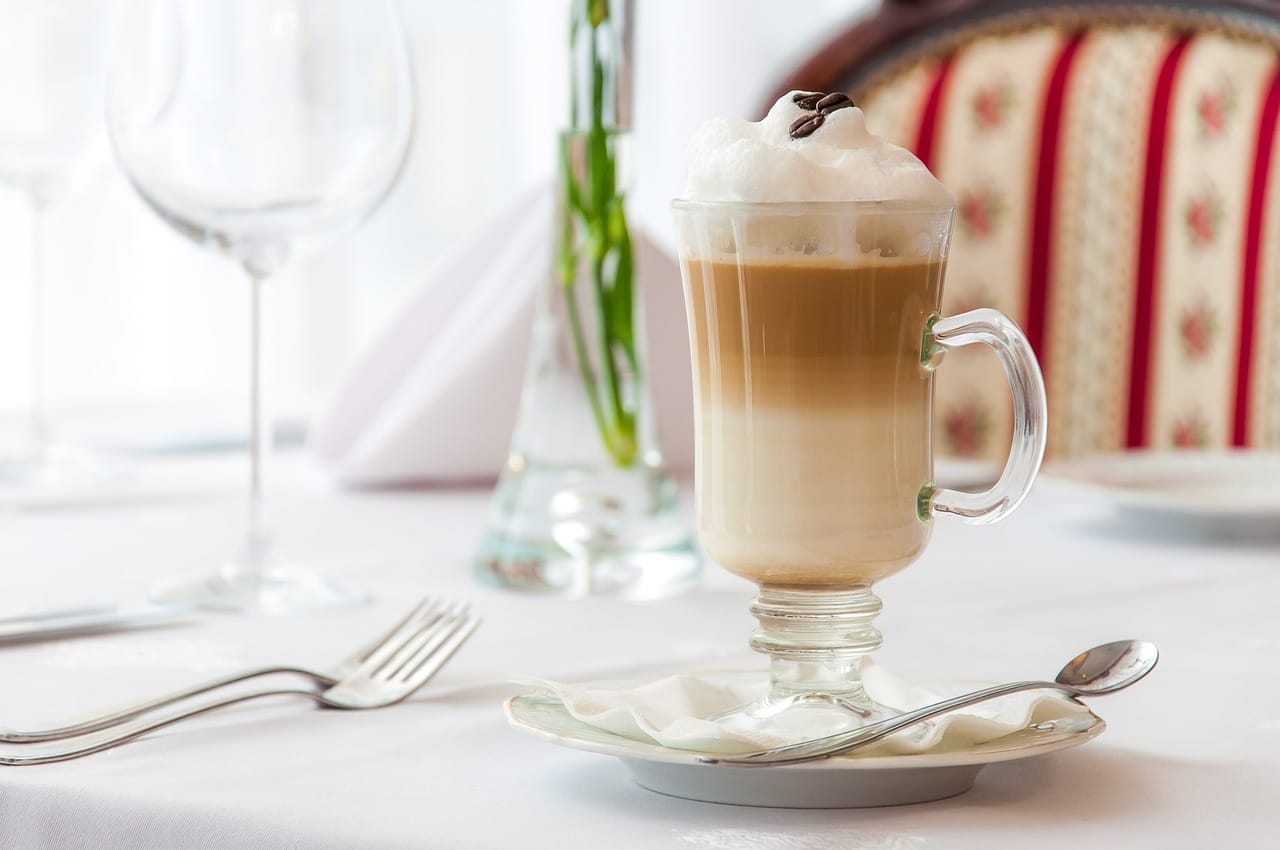
Independent coffee shops in the UK Economy have become a familiar part of high streets across the UK.
They offer more than flat whites and latte art; they create jobs, support communities, and help regenerate local areas. In many towns and cities, local coffee entrepreneurship now plays a real role in economic growth and urban revival (British Beauty Council, 2025).britishbeautycouncil

How Local Coffee Entrepreneurship Is Boosting UK Economies
At the same time, UK consumers have become more interested in experience‑led spending. They want spaces that combine quality products, social connection, and wellbeing. This shift mirrors broader trends in beauty and personal care, where people value meaningful experiences as much as the products themselves (Premium Beauty News, 2025).
As a result, local coffee shops can now be seen as part of a wider lifestyle and wellbeing economy, not just food and drink.premiumbeautynews
The Power of Small Businesses in the UK
Local coffee shops sit within a wider network of small, service‑based businesses. The hair and beauty sector provides a useful comparison because it is also dominated by independent operators and micro‑businesses. In 2023 there were more than 61,000 hair and beauty businesses in the UK, and three‑quarters employed fewer than five people (PolicyBee, 2025). Coffee shops follow a similar pattern, with many owner‑operated sites and small teams.policybee
This structure matters because micro‑businesses tend to reinvest a higher proportion of their revenue locally. They pay local staff, use nearby suppliers, and contribute to the character of individual neighbourhoods. Evidence from the personal care industry shows that growth is not restricted to major cities; beauty‑related employment has also spread into rural and deprived areas (PolicyBee, 2025).
Local cafés often follow this path, becoming anchors for community life outside traditional city centres.policybee
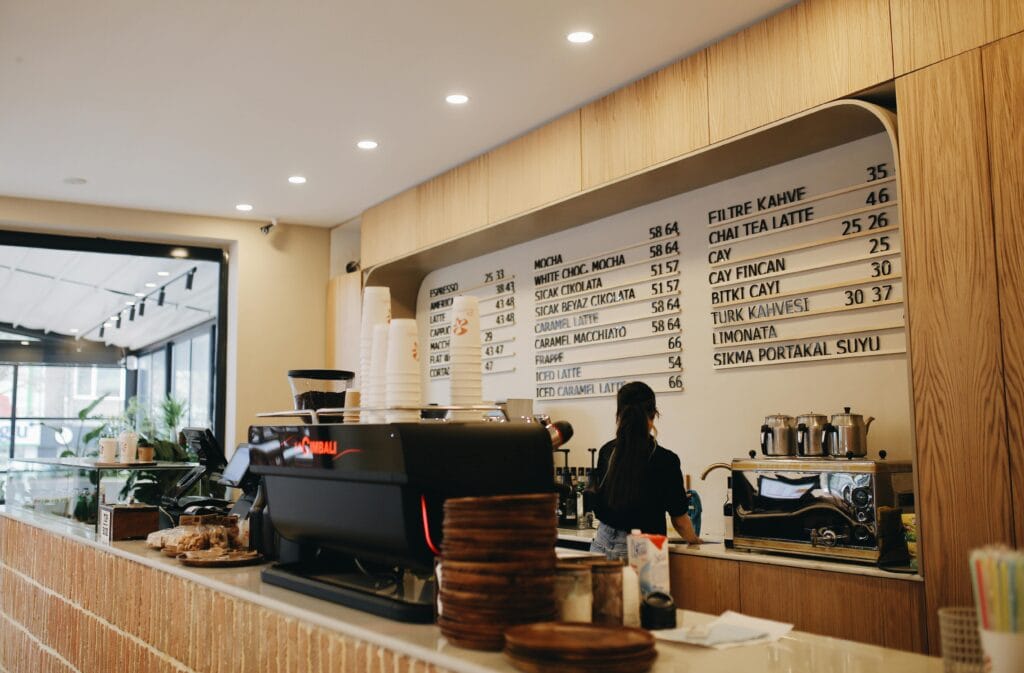
Coffee, Lifestyle and the Experience Economy
The UK beauty sector illustrates how consumers now combine products with experiences. The latest Value of Beauty report shows that personal care contributes over £30 billion to UK GDP and supports almost 700,000 jobs, powered by demand for services that blend efficacy with enjoyment (British Beauty Council, 2025).
Coffee culture sits close to this experience economy.britishbeautycouncil
Many customers no longer see cafés purely as places to refuel. Instead, they treat them as lifestyle spaces where they work, meet friends, relax, and even discover local art and music. This mirrors beauty retail, where stores create immersive environments to keep shoppers engaged (Premium Beauty News, 2025).
For local coffee entrepreneurs, this shift opens opportunities to build stronger brands, host events, and collaborate with neighbouring beauty, wellness, and creative businesses.premiumbeautynews
Job Creation and Skills Development
Local coffee entrepreneurship creates jobs at multiple levels: baristas, supervisors, managers, bakers, and part‑time student roles. It also builds transferrable skills in customer service, stock control, marketing, and leadership. The beauty industry offers a clear example of how service businesses support employment. In 2024, the UK personal care sector directly employed 496,000 workers and supported almost 700,000 jobs in total (British Beauty Council, 2025).britishbeautycouncil
Although exact figures for small coffee shops differ, the pattern is similar. Independent cafés often act as entry points into the labour market for young people and career changers. They mirror beauty salons and spas, which frequently use apprenticeships and on‑the‑job training to develop new talent (PolicyBee, 2025).
Over time, employees may move into management, open their own sites, or transition into related industries like hospitality, events, or retail.policybee
Supporting Local Supply Chains
Independent cafés rarely operate in isolation. They build supply chains that include local bakeries, small roasteries, independent dairy farms, and regional wholesalers. The UK beauty sector demonstrates how supply chains magnify economic impact; one report estimates a total beauty contribution of £27.2 billion to the economy when direct output and supply‑chain effects are combined (PromoCode, 2025).promocode
Similarly, when local coffee entrepreneurs choose regional suppliers, a greater share of turnover circulates within the UK economy. For example, a café might:
- Buy beans from a nearby specialty roaster.
- Source pastries from a local bakery rather than a national chain.
- Stock skincare or wellness products from small UK beauty brands.
These decisions help create a network of mutually supportive businesses, echoing the way beauty salons often retail products from domestic cosmetic brands, boosting both sectors at once.
Revitalising High Streets and Town Centres
Many UK high streets have struggled with vacant units and declining footfall. However, vibrant cafés and beauty salons often lead local recovery efforts. According to analysis of the personal care industry, beauty businesses make up a visible share of high‑street units and play a role in sustaining local employment and spend (PolicyBee, 2025).policybee
Independent coffee shops can have a similar effect.
A well‑placed café draws regular foot traffic throughout the day, from commuters grabbing espresso to remote workers seeking wi‑fi and a calm environment. In turn, this traffic benefits neighbouring retailers, including pharmacies, boutiques, and beauty stores. The trend towards experience‑driven beauty retail, with more emphasis on in‑store services and events, makes collaboration between cafés and beauty brands even more powerful (Premium Beauty News, 2025).premiumbeautynews
Coffee Shops in the UK Economy
The modern UK economy consumer increasingly connects daily habits with physical and emotional wellbeing. Beauty reports highlight strong growth in skincare, self‑care rituals, and wellness‑linked products, with skincare alone representing around 48% of total beauty spending (PromoCode, 2025).
Local coffee shops fit naturally into this wellbeing UK economy.
A thoughtfully run café offers more than caffeine. It can provide:
- A safe space for social interaction.
- A calm environment for study or remote work.
- Moments of rest during stressful days.
These roles overlap with salons and spas, which offer both aesthetic and emotional benefits. As consumers look for holistic experiences that combine food, drink, beauty, and wellness, collaborations between coffee and beauty entrepreneurs can unlock new revenue streams and deepen community impact (British Beauty Council, 2025).
Digital Transformation and the Rise of “Local Online”
Both beauty and coffee businesses now rely on digital tools to reach customers. Beauty industry data suggests that more than half of UK beauty sales are expected to occur online by 2025, with social commerce and mobile shopping playing major roles (PromoCode, 2025).
Local cafés in the UK economy increasingly use similar channels:
- Instagram and TikTok to showcase latte art and seasonal drinks.
- Google Business and Maps to capture “coffee near me” searches.
- Online ordering or click‑and‑collect for busy commuters.
This digital visibility helps small cafés compete with national chains while keeping money in local economies. It also mirrors the digital shift in beauty, where independent brands and salons have used social media to build loyal communities and grow without heavy traditional advertising spend (BeautyMatter, 2025).beautymatter
Inclusion, Skills and Local Careers
The beauty industry has long provided accessible pathways into employment for women, young people, and career changers.
In 2024 the UK personal care sector supported almost 700,000 jobs and offered career ladders from entry‑level roles to expert and leadership positions (British Beauty Council, 2025).
Local coffee entrepreneurship in the UK economy plays a similar inclusive role.
Cafés often hire:
- Students seeking flexible hours.
- People returning to work after career breaks.
- Migrants and new residents building community connections.
These jobs may start as part‑time barista roles but can develop into supervisory posts, head barista positions, or even future ownership opportunities. In this way, local cafés support social mobility, much like beauty colleges and salons help individuals build portable skills and independent careers (LCBT, 2025).
Sustainability and Ethical Consumption
UK consumers increasingly consider sustainability or fairtrade when choosing both beauty and food products. Reports on the beauty industry highlight growing demand for eco‑conscious formulas, ethical sourcing, and recyclable packaging, with “clean” and sustainable launches capturing a rising share of the market (PromoCode, 2025).
Local coffee entrepreneurs can respond with similar commitments (promocode, 2025).
- Sourcing beans from ethical, traceable roasters.
- Offering plant‑based milks and lower‑waste menu options.
- Reducing single‑use plastics with reusable cup schemes.
These practices not only reduce environmental impact but also attract customers who align their values across beauty, food, and lifestyle choices. By positioning themselves as sustainable, local cafés can differentiate from generic high‑street chains and deepen loyalty.
Coffee Shops as Community Hubs
Local beauty salons are often described as informal community hubs, where clients share stories and find support alongside treatments (PolicyBee, 2025).
Coffee shops frequently play the same role. They host book clubs, open‑mic nights, art exhibitions, and charity events, helping to weave social ties that support mental health.policybee
This community role has economic implications. Areas with strong social infrastructure often show better resilience to economic shocks and higher local spending, as residents feel more attached to their neighbourhoods/ By acting as gathering spaces, local cafés contribute indirectly to the stability and attractiveness of their towns and cities, which in turn encourages further investment (British Beauty Council, 2025).
Synergies Between Coffee, Beauty and Local Growth
Although coffee and beauty belong to different sectors, they share structural similarities that matter for local economies. Both are service‑led, highly experiential, and dominated by small, independent operators. Both rely on trust, personal connection, and repeat visits. And both contribute to the UK’s image as a hub of creativity, culture, and lifestyle innovation (BeautyMatter, 2025).
As high streets evolve, collaborations between cafés, salons, barbershops, and wellness studios could become even more common. Joint events, shared loyalty schemes, and co‑located spaces can boost footfall for all involved. These partnerships reflect wider trends in beauty retail, where brands and service providers increasingly share spaces and experiences to attract modern consumers (Premium Beauty News, 2025).
The Bigger Picture: Local Coffee Entrepreneurship and UK GDP
While national statistics often highlight big brands, the combined impact of thousands of small service businesses is significant. The personal care industry alone contributed £30.4 billion to UK GDP in 2024, growing four times faster than the wider economy (British Beauty Council, 2025).
Coffee sits within hospitality rather than beauty, but the pattern is familiar: many small sites adding up to large national valueIndependent coffee shops have become a familiar part of high streets across the UK. They offer more than flat whites and latte art; they create jobs, support communities, and help regenerate local areas. In many towns and cities, local coffee entrepreneurship now plays a real role in economic growth and urban revival (British Beauty Council, 2025).
By creating jobs, driving footfall, supporting suppliers, and strengthening local identity, independent coffee shops help make neighbourhoods more economically resilient. They operate at the intersection of food, culture, wellbeing, and community. For local authorities and planners seeking to revitalise town centres, supporting coffee entrepreneurship alongside beauty, retail, and creative industries can be a powerful strategy.
Reference List (Harvard Style)
BeautyMatter (2025) UK Beauty Industry Emerges as a Pillar of Innovation, Jobs and Growth. Available at: https://beautymatter.com/articles/british-beauty-means-business (Accessed 26 December 2025).beautymatter
British Beauty Council (2025) Value of Beauty 2025. Available at: https://britishbeautycouncil.com/value-of-beauty-2025/ (Accessed 26 December 2025).britishbeautycouncil
LCBT (2025) A Look Inside the Beauty Industry 2025. Available at: https://www.lcbt.co.uk/news/a-look-inside-the-beauty-industry-2025/ (Accessed 26 December 2025).lcbt
PolicyBee (2025) UK Hair and Beauty Industry Statistics 2025. Available at: https://www.policybee.co.uk/blog/uk-hair-and-beauty-industry-statistics (Accessed 26 December 2025).policybee
Premium Beauty News (2025) UK Beauty Retail to See ‘Notable Growth and Transformation’. Available at: https://www.premiumbeautynews.com/en/uk-beauty-retail-to-see-notable,25216 (Accessed 26 December 2025).premiumbeautynews
PromoCode (2025) 50+ Beauty Industry Statistics That Define Britain’s £27.2 Billion Market. Available at: https://blog.promocode.me.uk/beauty-industry-statistics/ (Accessed 26 December 2025).promocode
Statista (2025) Beauty & Personal Care – United Kingdom | Market Forecast. Available at: https://www.statista.com/outlook/cmo/beauty-personal-care/united-kingdom (Accessed 26 December 2025).statista
https://www.policybee.co.uk/blog/uk-hair-and-beauty-industry-statistics
https://britishbeautycouncil.com/value-of-beauty-2025/
https://blog.promocode.me.uk/beauty-industry-statistics/
https://beautymatter.com/articles/british-beauty-means-business
https://www.lcbt.co.uk/news/a-look-inside-the-beauty-industry-2025/
https://www.statista.com/outlook/cmo/beauty-personal-care/united-kingdom
https://store.mintel.com/report/uk-beauty-and-personal-care-retailing-market-report
https://www.premiumbeautynews.com/en/uk-beauty-retail-to-see-notable,25216
https://www.boots-uk.com/newsroom/news/boots-launches-beauty-trends-report-2025/