🍵 Superfoods & Alternatives: Matcha & Spirulina
Matcha and spirulina now sit at the heart of the UK superfood conversation.
Health‑conscious consumers use them to boost energy, support focus, and reduce their reliance on sugary drinks or high‑caffeine coffee.
At the same time, many people want options that respect planetary boundaries and support more sustainable food systems.
What makes a superfood
Superfoods describe foods naturally rich in vitamins, minerals, antioxidants, or other protective compounds.
They often provide high nutrient density for relatively few calories
As a result, they attract people who want to support long‑term health through everyday choices.
In Europe, superfood powders form a fast‑growing market segment.
The value of this sector is projected to rise strongly between 2025 and 2035 as consumers seek convenient functional ingredients for smoothies, lattes, and snacks (Future Market Insights, 2025).
Plant‑based powders such as matcha, spirulina, chlorella, and wheatgrass lead growth because they align with vegan, sustainable lifestyles (Future Market Insights, 2025).
In the UK, interest in functional drinks and nutrient‑dense powders continues to increase.
Shoppers look for products that support energy, gut health, and beauty from within, while also cutting back on standard coffee and alcohol (Green Seed Group, 2022 ; Professional Beauty, 2025)
Terms such as “matcha latte”, “spirulina smoothie”, and “superfood powder” now feature strongly in wellness searches, especially among younger urban consumers who buy online (greenseedgroup, 2025).

Matcha 101
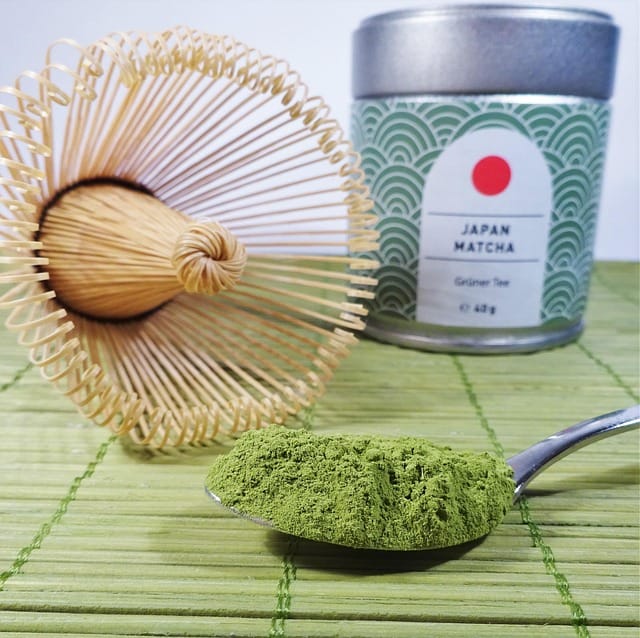
Matcha is a finely ground green tea made from shade‑grown Camellia sinensis leaves.
Producers cover the tea plants before harvest to increase chlorophyll and certain amino acids.
After steaming and drying, they stone‑grind the leaves into a bright green powder.
Because you drink the whole leaf, matcha delivers higher levels of catechins and other bioactive compounds than ordinary infused green tea (Kochman et al., 2020).
Studies highlight strong antioxidant capacity, alongside meaningful levels of caffeine and the amino acid L‑theanine, known for promoting relaxed alertness (Kochman et al., 2020).
This combination helps explain why many UK drinkers swap one daily coffee for a matcha latte instead.
Recent scientific reviews describe matcha as a promising functional ingredient.
Research links regular matcha consumption with improved cardio‑metabolic markers, cognitive support, and anti‑inflammatory effects (Kochman et al., 2020: Ramirez‑Ramos et al., 2024).
However, scientists still stress moderation and a balanced lifestyle, rather than miracle claims.
Evidence‑based benefits of matcha
Several human and animal studies connect matcha intake with better weight and metabolic control.
In experimental models, matcha supplementation reduced weight gain, improved blood lipid profiles, and supported healthier blood glucose levels under high‑fat diets (Wang et al., 2022, in Kochman et al., 2020).
In small human trials, green tea preparations rich in catechins have been associated with modest weight reduction and improved metabolic markers (Auvichayapat et al., 2008, in Kochman et al., 2020).
Matcha may also support brain health.
Studies suggest that green tea and matcha can enhance aspects of attention and working memory, especially when caffeine and L‑theanine act together (Sohail et al., 2021).
Systematic reviews of green tea intake indicate a potential association with lower risks of cognitive decline and dementia over time, though more research is needed (Kakutani et al., 2019).
A 2024 review highlights further mechanisms.
Matcha appears to modulate gut microbiota, enhance antioxidant defences, and reduce markers of systemic inflammation, all of which link to long‑term chronic disease risk (Ramirez‑Ramos et al., 2024).
These findings support using matcha as part of a broader pattern of whole‑food, plant‑rich eating.
Spirulina in focus
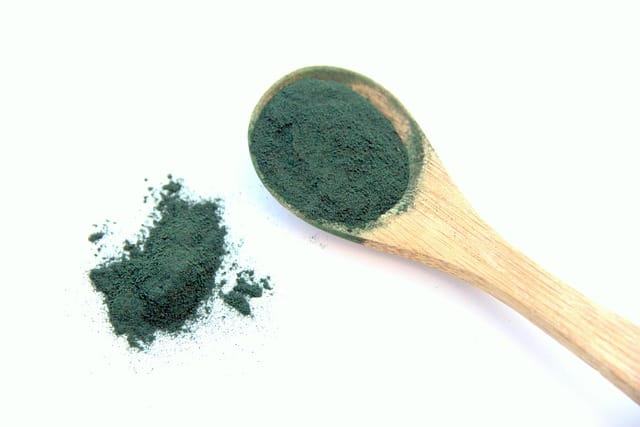
Spirulina is a blue‑green microalga, often called a cyanobacterium, that grows in alkaline lakes.
It has been consumed for centuries in some regions and now appears in powders, tablets, and functional drinks worldwide.
From a nutritional point of view, spirulina is remarkable.
Dry spirulina typically contains 55–70 percent protein by weight, including essential amino acids, along with iron, B vitamins, carotenoids, and other micronutrients (Podgórska‑Kryszczuk et al., 2024).
Because of this density, international agencies and nutrition projects have explored spirulina as a tool against malnutrition in low‑income settings (Podgórska‑Kryszczuk et al., 2024).
Beyond basic nutrition, spirulina shows several bioactive properties.
Reviews describe antioxidant, anti‑inflammatory, immune‑modulating, and lipid‑lowering effects in various experimental and clinical settings (Podgórska‑Kryszczuk et al., 2024).
Spirulina preparations have been studied for support in cardiovascular risk management, blood pressure control, glycaemic regulation, and weight management, although results vary by dose and population (Podgórska‑Kryszczuk et al., 2024).
European regulators have also assessed spirulina.
Within the EU nutrition claims framework, spirulina has been proposed for benefits related to weight control and immune support, though many botanical claims remain under evaluation by risk managers (European Commission, 2010, https://www.efsa.europa.eu/sites/default/files/2021-06/questions-on-hold-botanical-claims.xlsx).[9]
This regulatory context matters for UK brands that want to market spirulina products responsibly after Brexit alignment with EU rules.
Matcha vs spirulina at a glance
Both matcha and spirulina offer dense nutrition and potential functional benefits.
However, they differ in flavour, typical uses, and primary strengths.
This matters when choosing a superfood to complement or replace a daily coffee.
| Aspect | Matcha | Spirulina |
|---|---|---|
| Source | Shade‑grown green tea powder from Camellia sinensis leaves (Kochman et al., 2020, https://www.ncbi.nlm.nih.gov/pmc/articles/PMC7796401/). tezumi | Blue‑green microalga or cyanobacterium grown in alkaline water (Podgórska‑Kryszczuk et al., 2024). |
| Key nutrients | Catechins, caffeine, L‑theanine, chlorophyll, vitamin K (Kochman et al., 2020, https://www.ncbi.nlm.nih.gov/pmc/articles/PMC7796401/). tezumi | 55–70 percent protein, iron, B vitamins, carotenoids, essential fatty acids (Podgórska‑Kryszczuk et al., 2024). |
| Core benefits | Antioxidant effects, cognitive support, cardio‑metabolic and gut health modulation (Ramirez‑Ramos et al., 2024, https://apcz.umk.pl/JEHS/article/view/51235). apcz.umk+1 | Antioxidant, anti‑inflammatory, immune‑modulating, possible lipid and glucose control (Podgórska‑Kryszczuk et al., 2024). |
| Taste profile | Grassy, umami, slightly bitter, creamy when whisked. | Earthy, marine, sometimes sulphurous, better in blends than alone. |
| Typical formats | Hot or iced lattes, shots, baking, smoothies. | Smoothies, green juices, tablets, blended powders. |
| Caffeine content | Contains caffeine, usually lower per serving than coffee. | Naturally caffeine‑free. |
For many UK consumers, matcha serves as a gentler coffee substitute.
Spirulina, by contrast, works best as a nutritional booster in smoothies or bowls rather than as a direct drink replacement.
Sustainability and ethical sourcing
Sustainability sits at the centre of the superfood story.
Both matcha and spirulina can support lower‑impact diets, yet actual footprints vary by farm practice, processing, and transport.
Matcha comes from tea plantations, mainly in Japan and increasingly in other regions.
Organic and shade‑grown systems can support soil health and biodiversity, yet intensive production may rely on fertilisers and long transport routes for UK markets (Kochman et al., 2020, https://www.ncbi.nlm.nih.gov/pmc/articles/PMC7796401/).[4]
Choosing certified organic matcha, fair price schemes, and brands that publish environmental data can help lower the impact per cup.
Spirulina cultivation, by contrast, often uses controlled ponds or photobioreactors.
Because spirulina grows rapidly and uses less land than many animal proteins, several life‑cycle analyses describe it as a promising sustainable protein source under the right conditions (Podgórska‑Kryszczuk et al., 2024).
However, energy use, nutrient inputs, and water management still determine whether a specific spirulina product is genuinely low impact.
In Europe and the UK, retailers increasingly stock superfood powders that highlight organic certification, low‑energy drying, or solar‑powered production (Future Market Insights, 2025, https://www.futuremarketinsights.com/reports/europe-superfood-powder-market).[1]
Health food chains and supermarkets now offer private‑label blends with traceable sourcing, giving sustainability‑minded shoppers better options at accessible price points (Future Market Insights, 2025).
Checking labels for origin, certifications, and third‑party testing remains crucial for anyone building a more ethical daily routine.
Coffee alternatives and complements
In the UK, there is a visible shift toward functional drinks that either complement or replace daily coffee.
Supermarket data and specialist reports show growth in mushroom coffees, adaptogenic lattes, and green tea‑based drinks that promise focus without jitters (Professional Beauty, 2025; Green Seed Group, 2022)
Matcha and spirulina fit neatly into this landscape.
Matcha lattes provide a ritual similar to morning coffee.
They offer a warm, comforting drink with a foam layer and a familiar café experience, while typically delivering smoother energy due to L‑theanine’s calming influence (Kochman et al., 2020).
Many people alternate matcha and coffee through the week to moderate caffeine and diversify antioxidant intake.
Spirulina rarely acts as a “coffee in a cup” replacement.
Instead, it shines as a breakfast or afternoon add‑on.
For example, a smoothie with spirulina, oats, banana, and plant milk can provide sustained energy, protein, and micronutrients without caffeine, supporting those who react poorly to stimulants (Podgórska‑Kryszczuk et al., 2024).
Practical ways to use matcha and spirulina
It helps to keep serving sizes small and consistent.
For matcha, many guidelines suggest about half to one teaspoon of powder per serving, whisked with hot but not boiling water and then topped with milk or a plant‑based alternative (Kochman et al., 2020).
Starting with one cup per day allows you to monitor how your body responds to both caffeine and bitter compounds.
Spirulina powders are usually taken in gram‑level doses.
Common recommendations range from about one to three grams daily, depending on the product and individual tolerance (Podgórska‑Kryszczuk et al., 2024).
Many people blend spirulina into smoothies with citrus, berries, or cocoa to mask the strong marine flavour.
Consumers should always check safety notes.
People with specific medical conditions, those taking certain medications, or pregnant and breastfeeding individuals should speak with a healthcare professional before starting concentrated superfood powders (Podgórska‑Kryszczuk et al., 2024; Kochman et al., 2020)
Reputable brands test for contaminants such as heavy metals or microcystins, which supports safe regular use.
UK market trends and opportunities
The UK market for functional drinks and superfoods continues to evolve quickly.
Retailers report rising demand for products linked to calm focus, immunity, and skin health, particularly among younger adults who shop online and seek science‑backed claims (Green Seed Group, 2022; Professional Beauty, 2025).
For sustainable coffee blogs and ethical cafés, these trends open creative possibilities.
Menu ideas include matcha‑oat lattes, spirulina‑boosted smoothies, and coffee‑matcha hybrids that reduce total caffeine while adding extra antioxidants.
By linking these offers with transparent sourcing and environmental messaging, brands can attract both wellness and climate‑conscious audiences (Future, Market Insights, 2025).
Choosing your ideal superfood
Neither matcha nor spirulina is a magic bullet.
However, both can play smart roles in a balanced, sustainable lifestyle.
For UK drinkers who love coffee yet want more variety, matcha often acts as the easiest gateway.
Spirulina works well for people focused on protein, micronutrient density, and plant‑based diets.
It sits comfortably alongside coffee alternatives rather than fully replacing them, especially when blended into snacks and bowls.
In every case, the most sustainable choice combines evidence‑based nutrition, transparent sourcing, and personal enjoyment.
By understanding what research actually says about matcha and spirulina, UK consumers can move beyond hype.
They can build daily rituals that support energy and focus while staying aligned with ethical and environmental values (Kochman et al., 2020; Podgórska‑Kryszczuk et al., 2024; Ramirez‑Ramos et al., 2024).
References
Auvichayapat, P. et al. (2008) ‘Effectiveness of green tea on weight reduction in obese Thais: A randomized, controlled trial’, Physiology & Behavior, 93(3), pp. 486–491. Available at: https://www.sciencedirect.com/science/article/abs/pii/S0031938407004090
European Commission (2010) Botanical health claims on hold list (including Spirulina alga). Available at: https://www.efsa.europa.eu/sites/default/files/2021-06/questions-on-hold-botanical-claims.xlsx
Future Market Insights (2025) Europe Superfood Powder Market 2025–2035. Available at: https://www.futuremarketinsights.com/reports/europe-superfood-powder-market
Green Seed Group (2022) ‘UK Food and Drink: Trends for 2025’. Available at: https://greenseedgroup.com/uk-food-and-drink-trends-for-2025/
Kakutani, S., Watanabe, H. and Murayama, N. (2019) ‘Green tea intake and risks for dementia, Alzheimer’s disease, mild cognitive impairment, and cognitive impairment: A systematic review’, Nutrients, 11(5), 1165. Available at: https://www.ncbi.nlm.nih.gov/pmc/articles/PMC6567241/
Kochman, J. et al. (2020) ‘Health benefits and chemical composition of matcha green tea: A review’, Molecules, 26(1), 85. Available at: https://www.ncbi.nlm.nih.gov/pmc/articles/PMC7796401/
Podgórska‑Kryszczuk, I. et al. (2024) ‘Spirulina—an invaluable source of macro‑ and micronutrients, and biologically active compounds for use in nutrition’, Nutrients, 16(22), 4901. Available at: https://www.ncbi.nlm.nih.gov/pmc/articles/PMC11596570/
Professional Beauty (2025) ‘Top nutrition trends beauty pros need to know’. Available at: https://professionalbeauty.co.uk/beauty-nutrition-trends
Ramirez‑Ramos, J. and co‑authors (2024) ‘Exploring the health benefits of matcha: A comprehensive review’, Journal of Education, Health and Sport. Available at: https://apcz.umk.pl/JEHS/article/view/51235
Sohail, A.A. et al. (2021) ‘The cognitive‑enhancing outcomes of caffeine and L‑theanine: A systematic review’, Cureus, 13(12), e20828. Available at: https://www.ncbi.nlm.nih.gov/pmc/articles/PMC8794723/
Citations
- https://www.futuremarketinsights.com/reports/europe-superfood-powder-market
- https://greenseedgroup.com/uk-food-and-drink-trends-for-2025/
- https://professionalbeauty.co.uk/beauty-nutrition-trends
- https://www.tezumi.com/blogs/tezumi-insights/matcha-health-science-an-evidence-based-review
- https://pmc.ncbi.nlm.nih.gov/articles/PMC9792400/
- https://apcz.umk.pl/jehs/article/view/51235
- https://apcz.umk.pl/JEHS/article/download/51235/38543/142277
- https://pmc.ncbi.nlm.nih.gov/articles/PMC11596570/
- https://www.efsa.europa.eu/sites/default/files/2021-06/questions-on-hold-botanical-claims.xlsx
- https://www.supersmart.com/en/blog/strengthening-organism/the-7-best-efsa-certified-superfoods-s376


The depth of understanding conveyed here is impressive and will resonate with professionals seeking clarity in a rapidly evolving landscape.