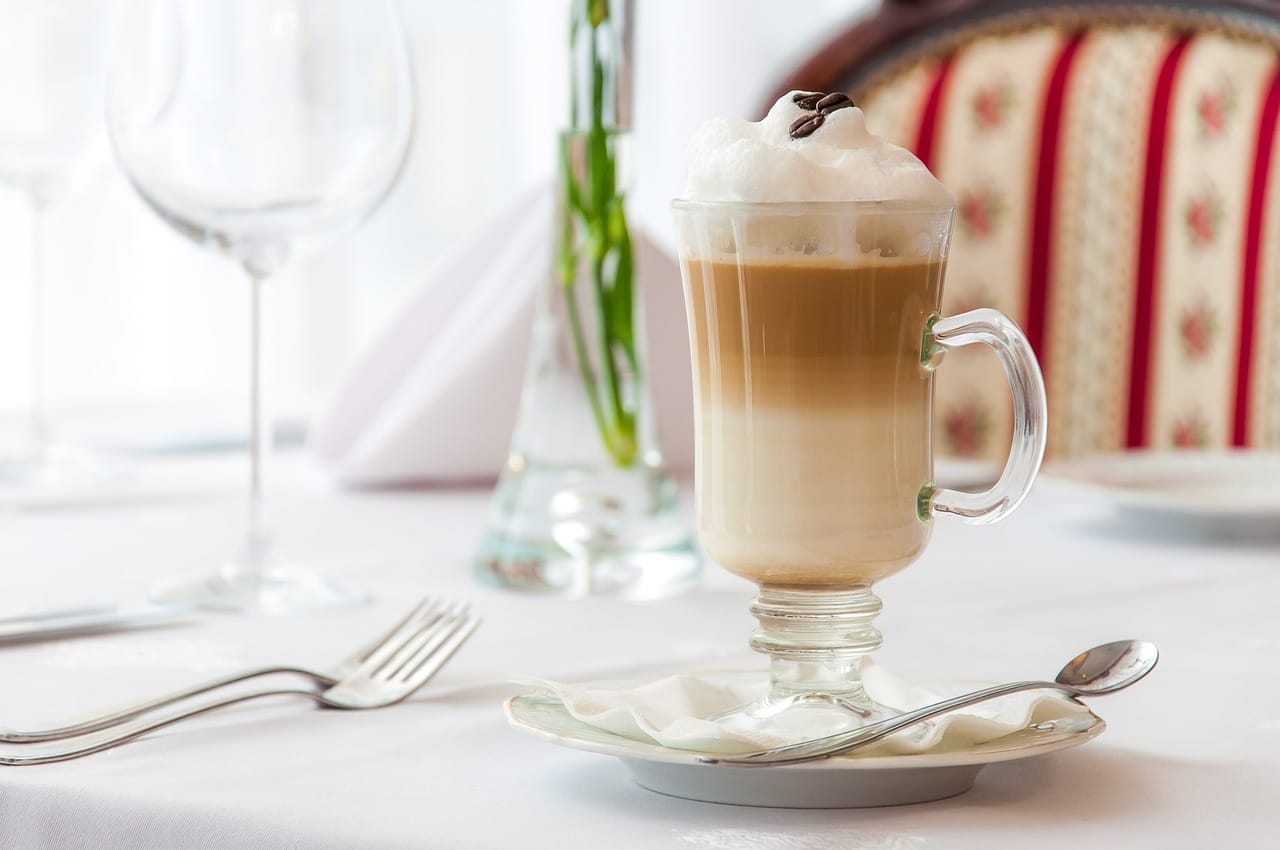
Pop‑up coffee shop carts are doing more than serving espresso shots;
they are reshaping how people move, meet and express themselves in contemporary cities (Sciencedirect, 2021; Noaime, 2025). As mobile “third places”, they blend convenience, community and creativity in ways that fixed cafés struggle to match (Sciencedirect, 2021; Noaime, 2025).
What Makes Pop‑Up Coffee Carts Different
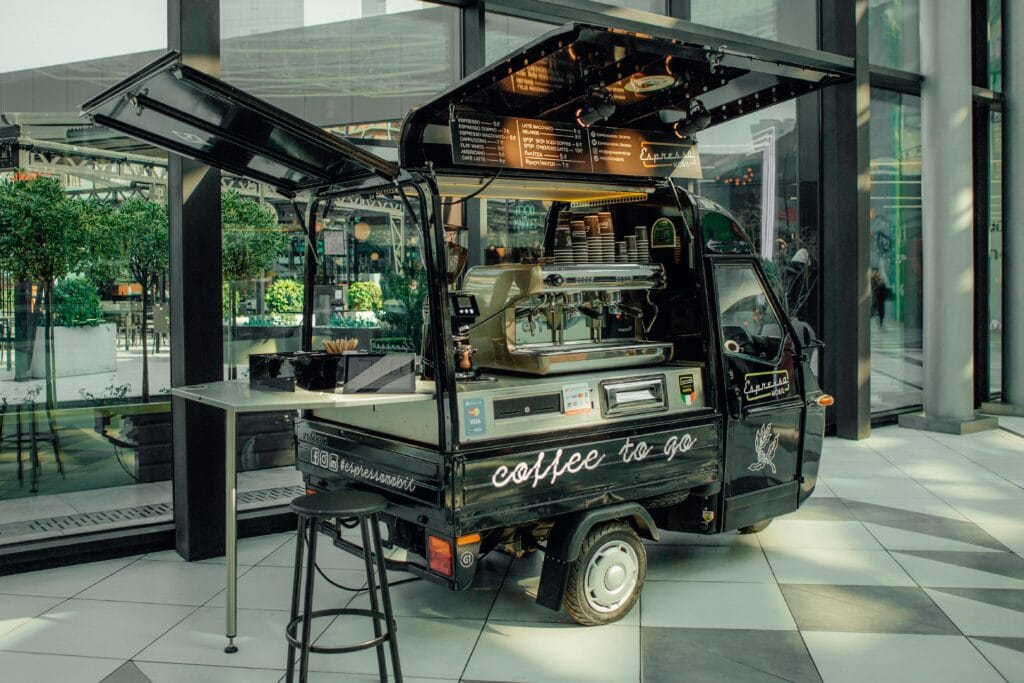
Pop‑up coffee carts are compact, mobile and highly flexible by design (Coffee Cart Market Analysis Report, 2025). They can operate on a busy commuter corner in the morning.
then appear at a night market or street event in the evening (Postolink, 2025).
Unlike traditional cafés, carts usually run with lower overheads and leaner teams (Coffee Cart Market Analysis Report, 2025). Consequently, they can test locations, menus and collaborations with relatively low financial risk (Coffee Cart Market Analysis Report, 2025).
Because the trading unit is small, every design decision matters. Visual details such as hand‑painted logos or distinctive cup art turn each cart into a statement (Postolink, 2025). This strong visual identity helps them stand out within dense urban streetscapes (Postolink, 2025).
Instead of drawing people indoors, carts plug into existing street flows (Postolink, 2025). They meet pedestrians where they already walk, work and wait. This keeps the experience firmly embedded in street culture (Postolink, 2025).
Urban Coffee Demand And Mobile Consumption
Out‑of‑home coffee consumption in the UK continues to grow, even during economic uncertainty (Lumina Intelligence, 2025).
In 2025, millions of UK adults purchased coffee away from home each week. Furthermore, the broader coffee shop and café market generated several billions in annual turnover (Lumina Intelligence, 2025).
Data also show that a substantial share of coffee is now bought for consumption away from home, rather than brewed in domestic settings (Lavazza Professional, 2025).
Additionally, in 2024, tens of millions of kilograms of coffee were purchased out of home, reflecting strong demand for convenient yet high‑quality drinks (Lavazza Professional, 2025).
Industry forecasts for the wider take‑out coffee segment predict continued growth, driven by urbanisation. Furthermore, influenced by busy lifestyles and rising interest in premium beverages (Future Market Insights, 2025).
These trends align well with mobile formats, because customers want speed and flexibility without sacrificing quality (Future Market Insights, 2025; Lumina Intelligence, 2025).
Pop‑up coffee carts respond directly to this demand. They serve specialty‑style drinks in streets, plazas and transit hubs. This removes the need for a sit‑down visit during crowded schedules (Coffee Cart Market Analysis Report, 2025; Postolink, 2025).
Carts As New “Third Places”
Coffee shops have been described as “third places” that sit between home and work. That offerers informal spaces for connection and community (Sciencedirect, 2021).
Research shows that such spaces support everyday interaction, local identity and a sense of belonging among urban residents (Sciencedirect, 2021).
More recent work on cafés suggests that these venues contribute to socially sustainable cities by creating accessible points of contact in public life (Noaime, 2025). They provide opportunities for weak ties, chance encounters and casual conversation, which all help reduce isolation (Sciencedirect, 2021; Noaime, 2025).
Pop‑up coffee carts extend this third‑place concept into micro‑moments on the street. Customers might only stop for a few minutes, yet they still experience ritual, recognition and brief interaction with others nearby (Sciencedirect, 2021). A quick chat with a barista or a shared queue can create small but meaningful social experiences in the middle of a busy day (Noaime, 2025).
Clusters of people waiting for drinks often transform anonymous pavements into informal gathering points (Postolink, 2025). Over time, these points become informal landmarks in local mental maps of the city (Postolink, 2025).
Street Culture, Identity And Coffee
Street food has long shaped urban identity, turning everyday pavements into cultural symbols (Postolink, 2025). Classic examples range from hot dog carts in New York to hawker stalls in Southeast Asia, all of which express local taste, history and social norms (Postolink, 2025).
Research on food cart economies shows that mobile vendors can help re‑establish local food identities in increasingly globalised cities (RSIS International, 2024). They provide accessible, place‑specific experiences that resist homogenisation and standardisation (RSIS International, 2024).
Street‑based coffee culture illustrates this clearly. In Ho Chi Minh City, for instance, sidewalk coffee practices such as Cà Phê Bệt and Cà Phê Vợt create highly visible gathering spaces for young people and workers (The Fewer Things, 2022). These rituals support conversation, political discussion and creative expression within public view (The Fewer Things, 2022).
Pop‑up coffee carts in other cities echo this wider pattern. They host casual meetings, micro‑meetups and creative communities at the edge of the pavement, making coffee a visible part of street‑level cultural life (Postolink, 2025; Sciencedirect, 2021).
Design, Instagram And The “For‑The‑Gram” Cart
Specialty coffee spaces now operate as both beverage venues and visual stages for social media content (Chang, 2023). Research on millennials and coffee bars notes that many spaces are intentionally designed to be photographed and shared online (Chang, 2023).
Pop‑up coffee carts fit this “for‑the‑gram” logic particularly well. Their compact footprint encourages bold colour schemes, distinctive materials and well‑curated details, all of which perform strongly on platforms like Instagram (Chang, 2023). These visual strategies help small operators compete with large chains in the attention economy (Chang, 2023).
When customers post images of a cart, they extend its presence beyond the physical corner or plaza. The cart becomes part of the city’s digital brand and feeds into wider narratives about neighbourhood style and taste (Chang, 2023). This loop encourages operators to keep experimenting with design, signage and seasonal aesthetics.
Because carts are mobile, they also circulate these visual identities across different districts over time (Coffee Cart Market Analysis Report, 2025). Consequently, styles associated with creative neighbourhoods can gradually influence business hubs and residential zones, reinforcing cross‑city cultural flows (Postolink, 2025; Noaime, 2025).
Entrepreneurship And Access To The Coffee Economy
The coffee cart format can reduce barriers to entry for aspiring café owners (Coffee Cart Market Analysis Report, 2025). Compared with renting a fixed site, a cart typically involves lower capital investment, shorter commitments and more flexible permitting, depending on local regulations (Coffee Cart Market Analysis Report, 2025).
Studies of food cart economies highlight how mobile vending can create livelihood opportunities and act as a stepping stone into the formal food sector (RSIS International, 2024). Vendors can test concepts, build a customer base and refine operations before scaling into bricks‑and‑mortar spaces (RSIS International, 2024).
For younger entrepreneurs and under‑represented groups, this can be crucial. The lower risk profile of carts allows them to explore niche offerings, from single‑origin espresso to plant‑based coffee drinks, without heavy fixed costs (Future Market Insights, 2025; Lumina Intelligence, 2025). If a particular menu or brand story gains traction, they can expand with more confidence (Coffee Cart Market Analysis Report, 2025).
Carts also tend to build networks with local roasters, bakeries and makers. These partnerships keep more value within local economies and create visible, place‑based supply chains on the street itself (Coffee Cart Market Analysis Report, 2025; Postolink, 2025).
Sustainability, Public Space And The Future City
Urban planners increasingly recognise cafés and coffee spaces as part of socially sustainable urban design (Noaime, 2025). Well‑used public areas foster safety, trust and engagement among residents (Noaime, 2025).
Pop‑up coffee carts can activate underused corners, edges and transitional spaces. An empty plaza feels safer and more appealing when a cart attracts regular footfall and casual supervision (Postolink, 2025; Noaime, 2025). This kind of low‑cost, bottom‑up activation aligns with contemporary thinking on tactical urbanism and temporary interventions (Noaime, 2025).
However, growth raises important sustainability and equity questions. Consumer surveys indicate rising interest in ethically sourced coffee, environmentally responsible packaging and transparent supply chains (Lumina Intelligence, 2025; Future Market Insights, 2025). Carts that use reusable cup schemes, efficient equipment and responsible waste management are well placed to meet these expectations (Lumina Intelligence, 2025; Future Market Insights, 2025).
There is also a risk that mobile specialty coffee can signal gentrification in some neighbourhoods (Sciencedirect, 2021; Noaime, 2025). Policymakers therefore need street‑trading rules that protect opportunities for small vendors while respecting existing communities and diverse forms of street culture (RSIS International, 2024; Noaime, 2025).
/pos

FOR BUSINESSES
How Pop‑Up Coffee Carts Reshape Everyday Routines
For many urban residents, coffee is an everyday ritual woven into commuting, working and socialising (Lumina Intelligence, 2025). Pop‑up carts intercept these movements instead of demanding a detour (Coffee Cart Market Analysis Report, 2025).
Because carts operate near transport hubs, offices and markets, they shorten the distance between impulse and purchase. The coffee ritual becomes a seamless part of walking routes and time‑pressed mornings (Lumina Intelligence, 2025). Over time, these micro‑stops subtly change how people plan journeys and structure breaks.
Specific carts often become personal landmarks. A cart outside a station might become “the place I grab coffee before big meetings”, while another at a weekend market becomes “where we meet friends on Saturdays”. Such micro‑rituals shape how individuals experience the city and talk about its streets (Sciencedirect, 2021).
Many carts also curate music, scent and small pieces of micro‑architecture, such as stools, planters or window‑ledges. These sensory cues transform otherwise generic pavements into recognisable micro‑environments that feel more human in scale (Postolink, 2025; Sciencedirect, 2021).
Global Influences, Local Flavour
The rise of mobile coffee culture links local streets to global specialty trends. Brewing methods, origin stories and latte art circulate quickly across cities and social platforms (Chang, 2023). Pop‑up carts adapt these influences to local tastes, price sensitivities and spatial constraints (Coffee Cart Market Analysis Report, 2025; Postolink, 2025).
Examples from Asian street coffee scenes show how long‑standing traditions can coexist with new techniques. In Ho Chi Minh City, for example, vendors blend heritage styles with modern preferences, keeping cultural references alive while experimenting with flavours and formats (The Fewer Things, 2022). This combination helps anchor innovation in familiar rituals (The Fewer Things, 2022).
Research on food carts suggests that such mobile formats enable cities to revive or reinvent distinct food identities (RSIS International, 2024). Pop‑up coffee carts extend this dynamic into the specialty coffee space by offering signature drinks, locally inspired recipes and collaborations with nearby producers (Coffee Cart Market Analysis Report, 2025; RSIS International, 2024).
This mix of global technique and local storytelling gives urban street culture additional depth. City dwellers encounter international coffee trends through experiences also tied to specific streets, vendors and neighbourhood histories (Chang, 2023; Postolink, 2025).
Implications For Urban Street Culture
Pop‑up coffee carts represent more than a passing hospitality trend. They show how contemporary street culture values experience, flexibility and micro‑communities as much as it values products (Lumina Intelligence, 2025; Future Market Insights, 2025). People want quality and craft, yet they also expect convenience and flow within their daily movements (Future Market Insights, 2025).
By occupying pavements, plazas and market lanes, carts help restore everyday sociability to public space. They encourage eye contact, conversation and shared rituals in environments often dominated by speed and anonymity (Postolink, 2025; Sciencedirect, 2021; Noaime, 2025).
As cities continue to densify, such small‑scale interventions will likely become more important. They offer relatively low‑cost ways to animate space, support local enterprise and give residents a stronger sense of ownership over their streets (Coffee Cart Market Analysis Report, 2025; Noaime, 2025). In this sense, the humble pop‑up coffee cart is quietly redefining what urban street culture looks and feels like in the twenty‑first century.
Reference list (Harvard style)
Chang, H. (2023) ‘Places “for the gram”: Millennials, specialty coffee bars and urban space’, Urban Studies [online]. Available at: https://research.tue.nl/files/297463230/1_s2.0_S0016718523000039_main.pdf (Accessed: 29 January 2026).
Coffee Cart Market Analysis Report (2025) Coffee Cart Market Analysis Report Provides Future Trend Insights [online]. Available at: https://www.linkedin.com/pulse/coffee-cart-market-analysis-report-provides-future-trend-insights-rkdqf (Accessed: 29 January 2026).
Future Market Insights (2025) Take Out Coffee Market Size, Trends & Forecast 2025–2035 [online]. Available at: https://www.futuremarketinsights.com/reports/take-out-coffee-market (Accessed: 29 January 2026).
Lavazza Professional (2025) ‘UK Coffee Statistics’ [online]. Available at: https://www.lavazzapro.co.uk/blog/uk-coffee-statistics/ (Accessed: 29 January 2026).
Lumina Intelligence (2025) UK Coffee Market: Size, Growth and Share Statistics 2025 [online]. Available at: https://www.lumina-intelligence.com/blog/foodservice/uk-coffee-market-size-growth-share-statistics-2025/ (Accessed: 29 January 2026).
Noaime, E. (2025) ‘Sustainable cities and urban dynamics: The role of the café’, Cities [online]. Available at: https://www.sciencedirect.com/science/article/pii/S2090447925000619 (Accessed: 29 January 2026).
Postolink (2025) ‘From Cart to Culture: How Street Food Shapes Cities’ [online]. Available at: https://postolink.com/from-cart-to-culture-how-street-food-shapes-cities/ (Accessed: 29 January 2026).
RSIS International (2024) ‘Econamit: Exploring the Food Cart Economy in an Urbanized City’, International Journal of Research and Innovation in Social Science [online]. Available at: https://rsisinternational.org/journals/ijriss/articles/econamit-exploring-the-food-cart-economy-in-an-urbanized-city/ (Accessed: 29 January 2026).
Sciencedirect (2021) ‘Spaces of consumption, connection, and community: Exploring the role of the coffee shop in urban lives’, Geoforum [online]. Available at: https://www.sciencedirect.com/science/article/abs/pii/S0016718520303080 (Accessed: 29 January 2026).
The Fewer Things (2022) ‘Street Food and Coffee Culture in Ho Chi Minh City’ [online]. Available at: https://www.thefewerthings.com/post/street-food-and-coffee-culture-in-ho-chi-minh-city (Accessed: 29 January 2026).